Why Pre-Production Makes or Breaks Your Video
Your video's result is decided months before shoot day. What five pre-production meetings and a statewide location hunt taught us on Energy.
 Kyle Loftus··6 min read
Most brands judge a video by what happens on shoot day. But the final result is mostly decided months before anyone picks up a camera.
This week we wrap production on Energy, a short film about men's mental health that I'm directing with Nasser Almulla for his own brand and app, Energy. Our first pre-production meeting was in early June. Our final shoot day is this Thursday, October 29. That gap is where the film got made.
If you're a brand planning a video, here's what happens in that gap, and why it decides whether your investment pays off.
The project
Energy is a film about how a man earns his energy. It's built on five contrasts: the energy we borrow against the energy we earn. Scrolling versus creating. A drink versus a cold plunge. Chasing validation versus building mastery. Every scene has a pair, and the edit cuts between them.
It's also a brand film. Nasser is building Energy as a business, and this film exists to build awareness and value behind his app. So it has two jobs: move people, and make them care about the brand behind it. Every decision below serves both.
It releases in late December, right as people start deciding who they want to be in the new year. That timing was planned too. You can see the scenes at energythefilm.com.
Getting here didn't start with a shoot date. It started with a relationship.
The right partner tells you when it's not the right time
Nasser and I have talked about working together for more than three years. Twice before, he brought me projects for companies he was working with at the time. Both times the budget or timing wasn't right, and we said so instead of forcing it.
Since then, we've worked together on a Chilly Pop campaign for Coldstream Clear, and afterward he wrote to thank the team for "the level of care and execution." When he came to me with Energy, a project for his own brand, his reply when we locked it in said it all: "I am very excited to finally team up."
For brands, the lesson is this: a partner who'll tell you "not yet" is a partner whose "yes" means something. Once we said yes, the real work started.
Why one pre-production meeting isn't enough
We held at least eight pre-production meetings on Energy before the first shoot day, each one narrowed the vision. In those meetings, we decided:
- What the film is actually saying, in one sentence
- Which scenes earn their place, and which get cut
- Where each scene happens, and why that place
- What the light will be doing at that location, at that time
- What the brand needs from it: the hero film, BTS, social cutdowns
One kickoff call gets everyone excited. It can't do this. Ideas need time to be tested, questioned, and rebuilt. Most problems that show up on set are problems nobody had time to catch in planning.
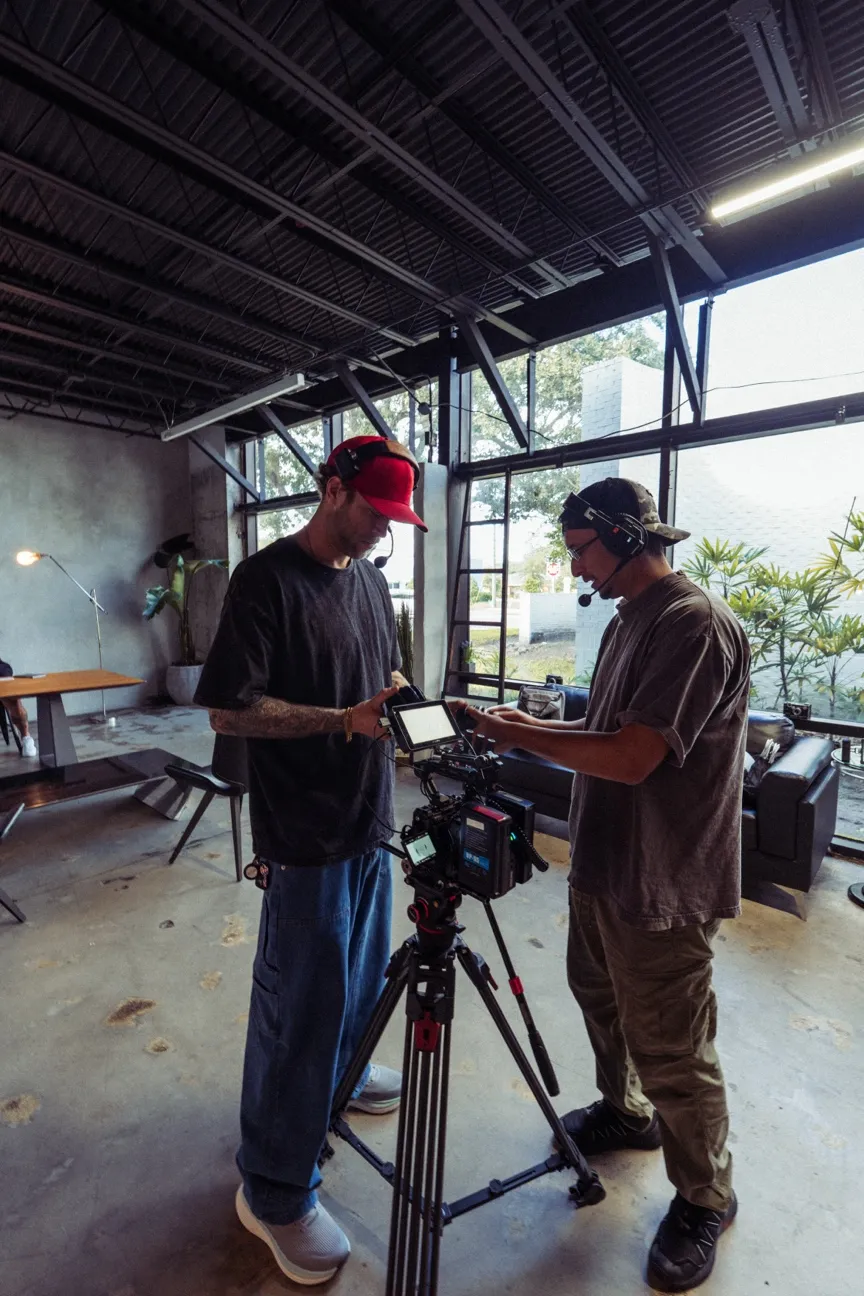
The biggest thing those meetings protect is the story.
Refine the story until it's simple
Energy didn't start as five clean pairs. We worked the concept and script over and over: discussing it, rebuilding it, cutting what didn't serve the core idea, then discussing it again.
That can feel slow. It's the most valuable time in the project. A clear story makes every decision after it easier: what to shoot, where, for how long, and what to leave out. When brands rush this step, they usually pay for it later, in an edit that never quite comes together.
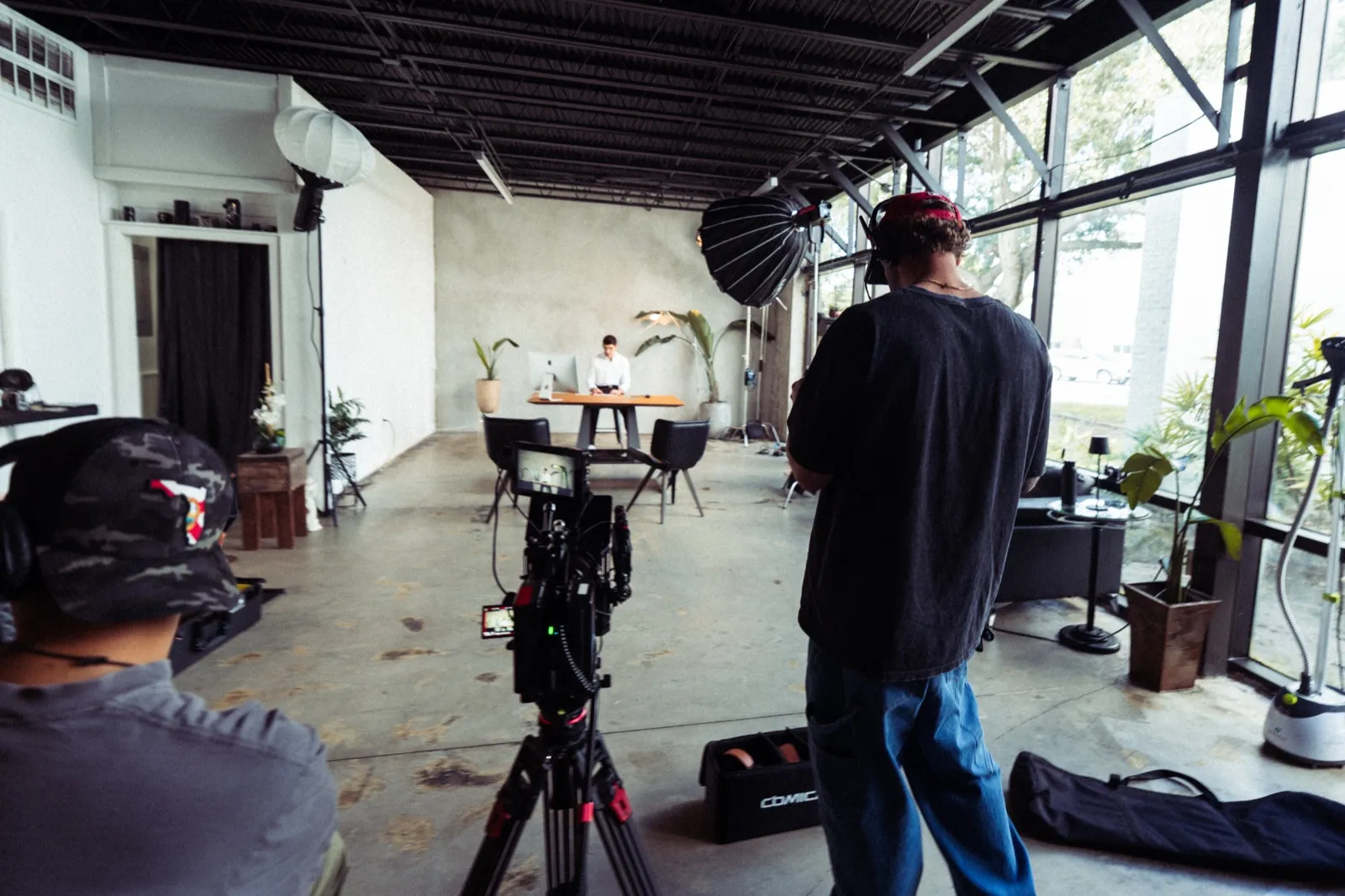
A clear story also buys you time, and time is what lets you plan properly.
Why planning months ahead changes the result
Planning this far ahead can sound excessive for a few minutes of finished film. Here's what it bought us:
- The right locations, booked on the right days
- Shoot days timed to the light. We mapped sunrise and sunset for every outdoor scene, down to the minute
- The crew we wanted, not whoever was free next week
- A release date with a purpose, not "whenever the edit is done"
- Room to adjust when plans change, without derailing the project
When a project is rushed, every one of those becomes a compromise. And compromises show up on screen. Nowhere is that clearer than with locations.
Kyle writes one of these every week. Want the next one in your inbox?
Location scouting: research beats convenience
It's tempting to book the first decent space on Peerspace and call it done. But the location does too much of the storytelling to leave to convenience.
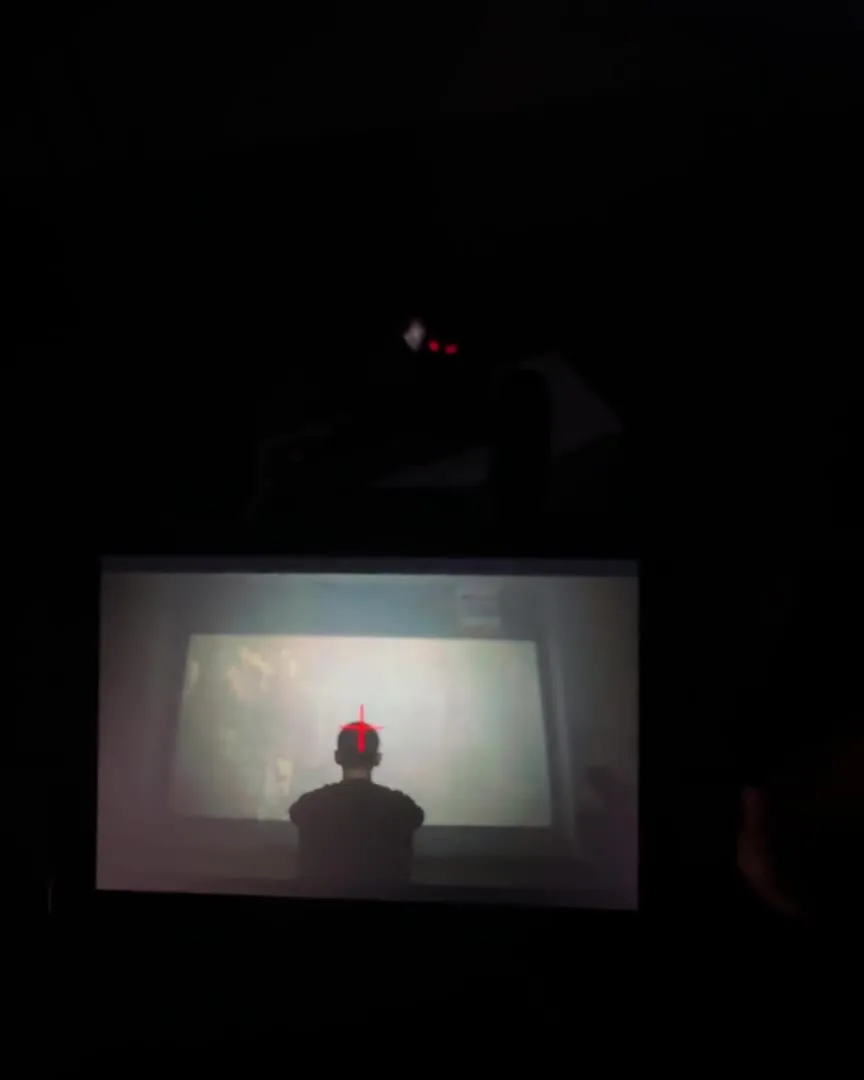
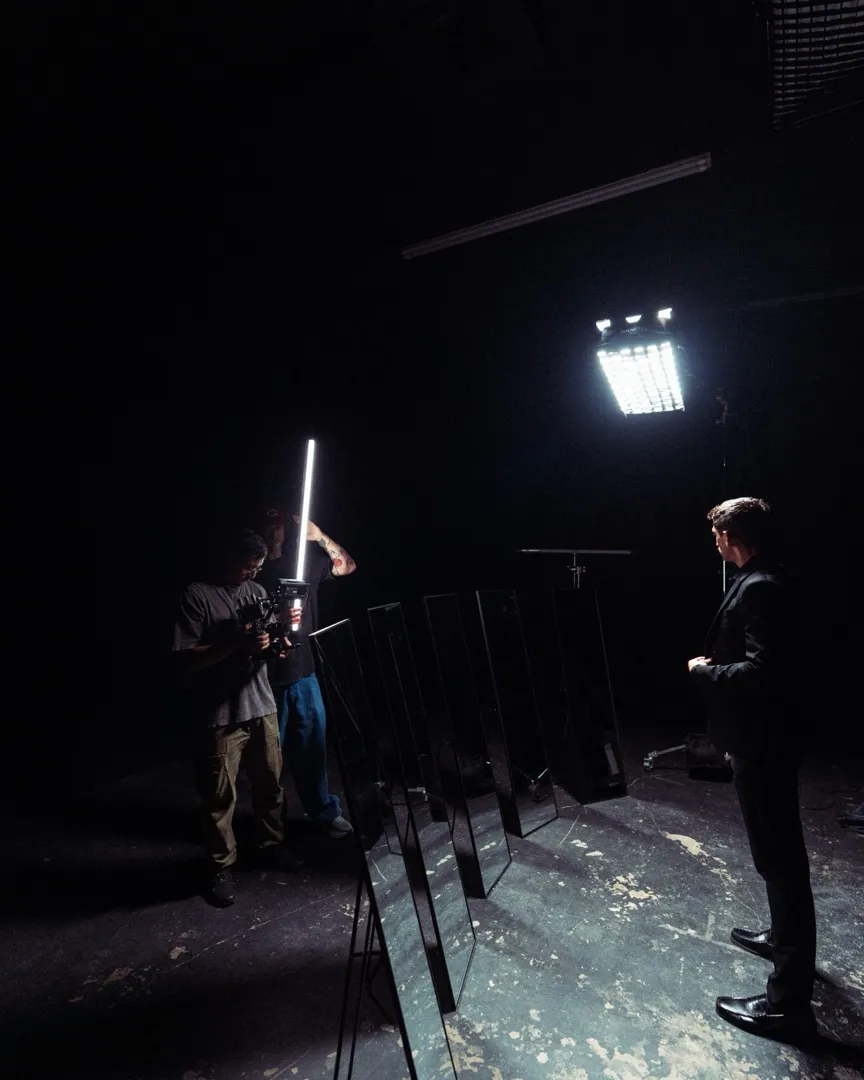
For Energy, we researched and scouted every location around what its scene needed to say. That has meant traveling across South, Central, East, and West Florida: a sunflower field we hiked a mile and a half into for golden hour, a bridge over the Indian River at sunrise, a lake for a cold plunge, and studios chosen for one specific look each, like a full-blackout room for a projector and a space of tall mirrors with no windows.
It has also meant 4 a.m. wake-ups to make call times and days with more than seven hours of driving. Every bit of it has been worth it. When the location is right, lighting gets simpler, performances come easier, and the frame does the work. If the vision calls for the extra miles, we'll drive them every time.
All that research paid off on set in a simple way: we knew exactly what we came to shoot.
A clear plan means a lean shot list
Because the vision was locked, our shot lists stayed small: around ten shots per location, at most. No guessing on set. No shooting everything "just in case." Just time spent making each planned frame great.
For a brand, that's a sign of clarity, not a shortcut. A bloated shot list usually means the idea isn't clear yet, and you pay for that confusion by the hour.
And because nothing was rushed on set, nothing has to be rushed after it.
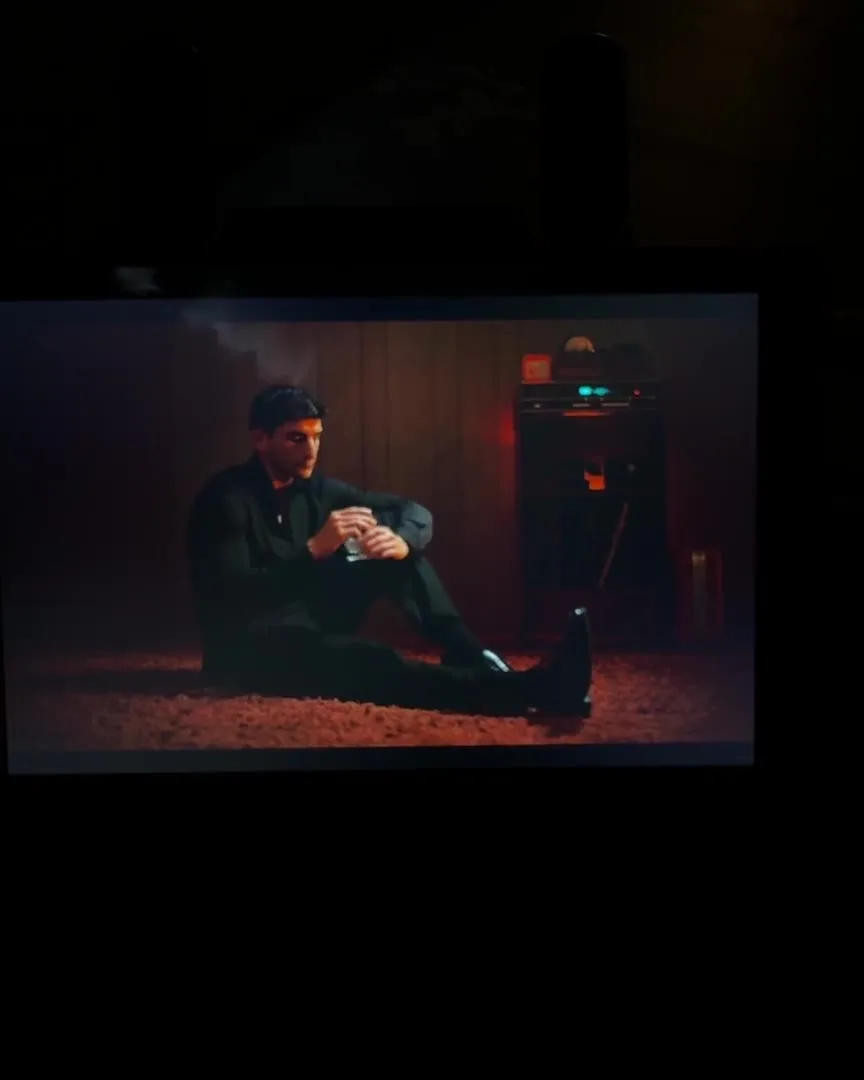
Energy, day 4: one setup being lit and shot on the stage.
After wrap: where most projects go quiet
Clients tell us all the time about past projects where production day was electric, and then everything went silent for weeks. On a real investment, that silence is brutal.
After Thursday, Energy goes straight into post, and Nasser will get regular updates, weekly or bi-weekly, even when there's no cut to share yet. Our clients should feel like part of the finish, not someone waiting outside the edit bay.
Built for reach, not one upload
The main deliverable is a hero film, but one video can't carry a brand launch on its own. So we planned for BTS pieces and shorter social cutdowns from the start. We'll test different openings, endings, hooks, and captions, because small changes to the first few seconds can completely change how far a video travels.
That's the final payoff of planning early: the content strategy is built into the shoot, not bolted on after.
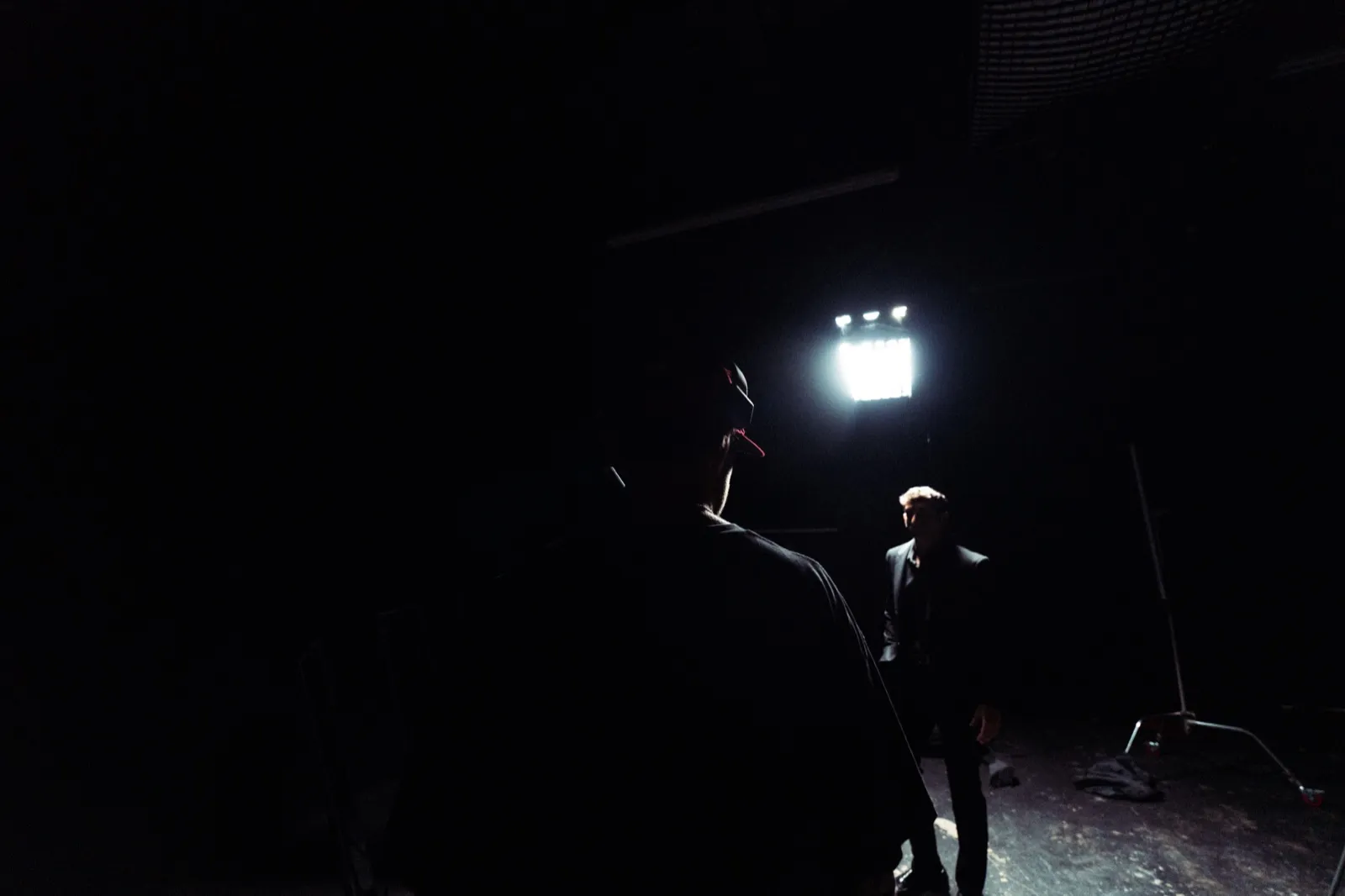
Energy, day 1 on the hill, through the monitor.
The takeaway for brands
The quality of your final video is set long before shoot day: by how many times the idea gets questioned, how carefully the locations are chosen, and how far ahead the plan is made. Shoot day is just where all of that shows.
We're a people-first studio, and we'd rather plan it right than shoot it fast. If you're planning a video for your brand and want a partner who treats pre-production like the main event, start your project below.
Share this post
Keep Reading
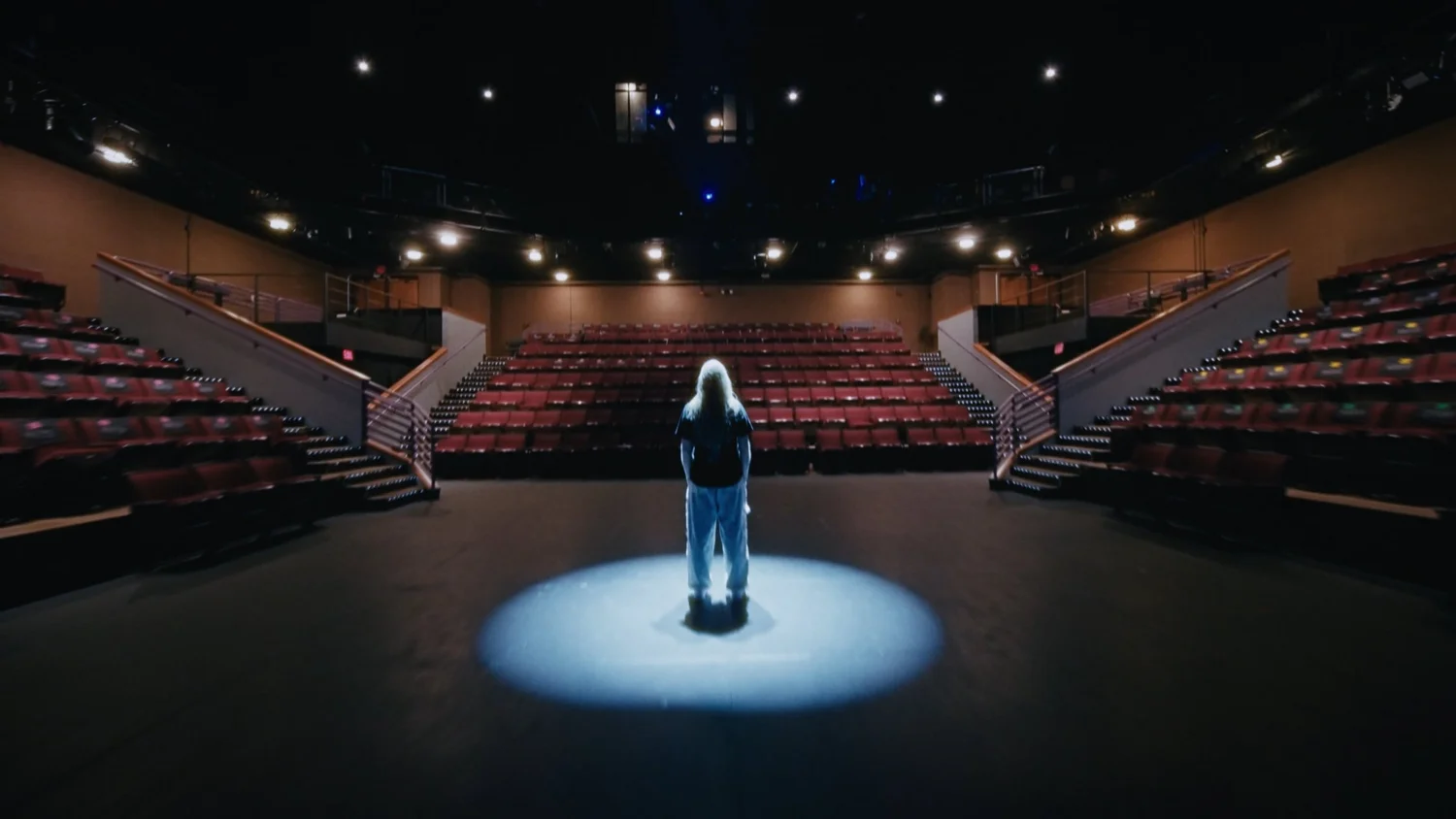 CDC Fest 2026 Recap Video | Contemporary Dance Choreography Festival OrlandoWatch the CDC Fest 2026 recap — three days of contemporary dance in Orlando, captured by Kyle Loftus Studios. Dance festival video production that moves.
 Create the Work You Want to AttractLearn why creating your own documentary work is the fastest way to attract better clients, meaningful projects, and long-term creative opportunities. An independent filmmaker…
 Behind the Scenes of Our Multi-Day USG Corporate Event in Orlando, Florida:Discover how our video production team captured and edited a multi-day corporate event for USG — delivering a cinematic recap in just 48 hours. Learn why top…