·7 min read
How to Financially Prepare for a Filmmaking Career
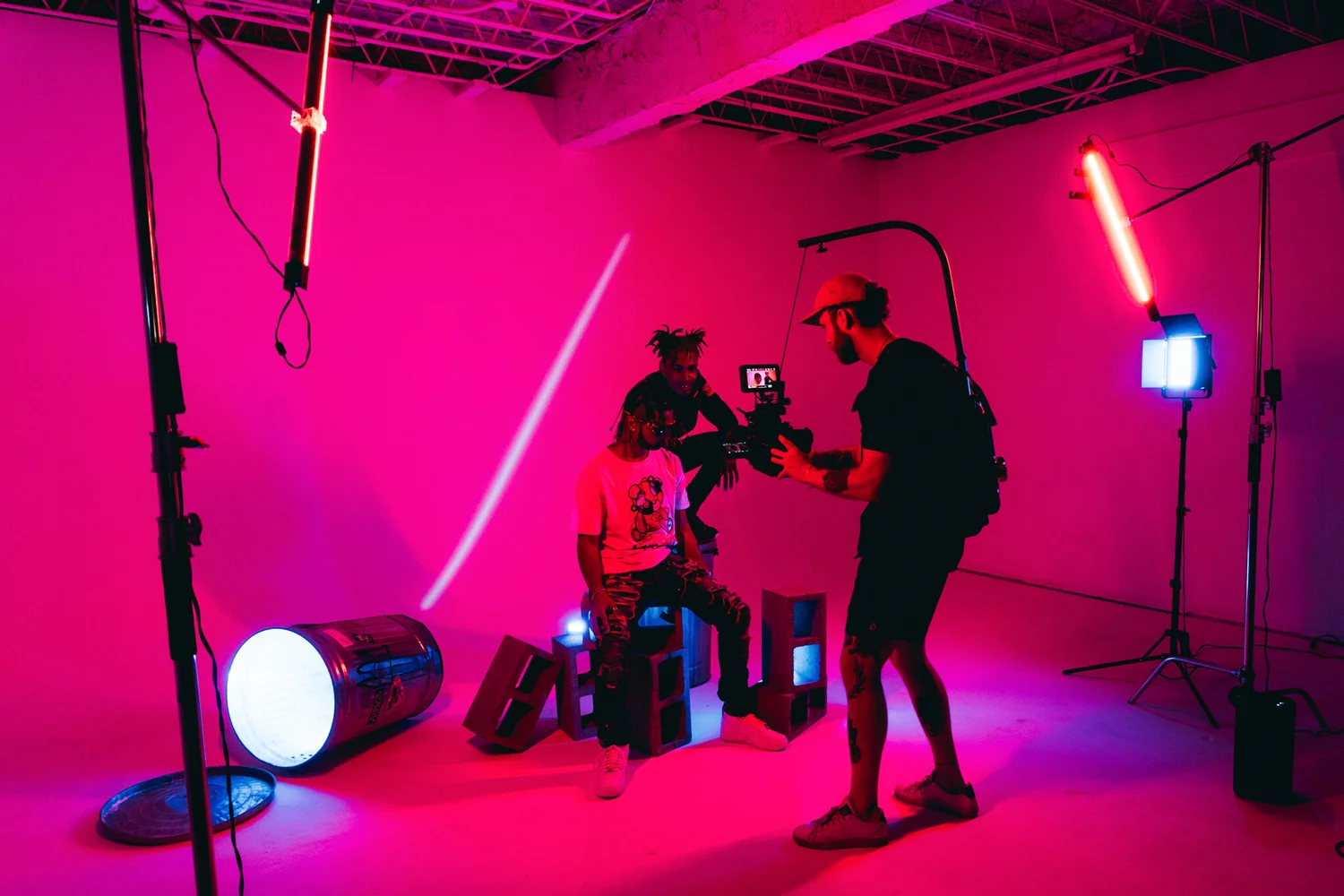
Are you an independent artist starting your filmmaking career? Getting started can be a struggle and there’s neither an easy nor an immediately successful way to get the funding you need. The reality is you need to find a good way to fund your upcoming career, and you should start early.
If you’re looking to take your film chops to the next level and go beyond small projects - and that means treating it like a proper business. Here’s what you can do to prepare yourself financially for your filmmaking career.
Making music videos can give you a more profitable career as a start, as you don’t need to
make passion projects. Even then, you need to start from nothing and build your career. It takes
time to make up enough money to keep you going in your early filmmaking years.

Save Early Into Your University Years
One way to finance yourself through your filmmaking career is to start saving money while in college. Music videos, for example, shouldn’t need too many assets so you can start filming. A few thousand dollars in your bank account should suffice.
Not everyone can finance themselves outright, but starting early and setting aside a few dollars a day will likely add up. Saving money from your university years means you will have a sizable chunk of cash ready after some time. The downside of this, however, is that not everyone will spend their savings on their film career.
If you’re serious about your filmmaking, you need to create a few good music videos that show off your skills. You will likely not make any of this money back, and that’s ok. These will work as your portfolio for bigger things that will open the floodgates for more projects.
Whether you’re looking to become an indie filmmaker or a mainstream blockbuster, setting aside some money should be perfect.
Get A Day Job If You Can
If you’re working towards a successful film career, one route that many creatives take is to start a day job. Pursuing a film career, especially at the start, means lining up your coffers. It offers several benefits that will help you jumpstart your future.
We’ve always heard of the idea of a struggling filmmaker working at a diner or waiting tables at a restaurant. These jobs put money on the table and give you enough extra to start filming music videos and other small projects. It provides you with a level of financial stability that gives you more chances to do what you want in your free time.
Getting a day job also gives you structure, allowing you to squeeze your filmmaking time after your day job. It will help keep you up to the task and help you segregate what is “work time” and what is “film time.” The only downside of having a day job is that you may physically overextend yourself if you’re not careful.
Try to invest in some gear and different assets to make
music videos. Outfit yourself with necessary equipment to help you make better and more
elaborate videos.
Join A Film Crew And Start Learning

Many creatives are taking advantage of what they know in filmmaking and move towards related jobs that can help them put the right foot forward. For those preparing for a future in film, a good way to financially prepare for it is to join a bigger production team.
Most film enthusiasts and would-be filmmakers likely have a specific skill that production teams would love. This can be your camera skills, your editing, or other talents that you intended to use for your film. By working with an actual production team, you can get paid nicely working for a TV show or a film outfit.
Much like a day job, working with a film crew can earn you a nice chunk of cash. What’s better is you also learn from the many different professionals in the industry. As an up-and-comer, you would still need mentorship from the pros. They can help sharpen your skills as you work with them, which should yield better results in the future.
Another advantage of working as part of a film crew is the network of people you can build. For would-be filmmakers, the industry friends they have can be a valuable treasure that they can use for their future endeavors. Even if you’re making amateur music videos right now, the right connections should help you thrive in the future.
Consider Crowdfunding
Another popular approach for young and upcoming creators is to consider crowdfunding their upcoming film career. Crowdfunding campaigns allow creators to raise enough capital to pick and choose whatever genre of film they want. It’s a useful and highly-rewarding way to start a fantastic career in filmmaking.
Crowdfunding has several unique benefits. For starters, you can build your audience as early as possible, together with giving your audience a stake in your future as a creator. If you know what you’re doing, it will look and feel like you’re getting free money to do whatever you want.
If you plan on entering a crowdfunding campaign, you need months of preparation ahead. You want a solid pitch to your would-be backers, as well as concrete plans to make your projects a reality. You can get funding for a project at a time in places like Kickstarter or Indiegogo, or get consistent patronage from places like Patreon.

Upload Your Stuff in Public
Creating music videos can be an enjoyable process. Regardless, you need to try and make
money from them. Most modern music video directors started somewhere, and there’s no better
place to start than showing it off in public via streaming platforms like Youtube, Vimeo, or
Dailymotion.
How can this make you money? Many creators building portfolio projects measure their video’s
viability through Youtube. Not only can you earn money from ads, you can also get public
response and engagement online. The more uploads you do, the more chances you have of
getting public attention.
If you’re feeling extra bold, you can start a streaming channel and talk about your process on
stream. Having a stream setup can eventually make you good money from donations. The
streaming crowd is a very curious bunch, so they’d want to see your talent as you grow.

Final Thoughts
There are many ways to fund your career in film. From things you can do like saving up and getting a day job to crowdsourcing to grants and fellowships, you have several options going forward. There are more out there, including contests and investors, but the tips above depend upon your initiative.
Your film career is only starting. Follow any of the above ways to fund your creations and you should be good to go in no time.
Article written by: Sophia Young of Sophia Young Content Studio