I Paid for Business Insurance for Years. I Might Not Have Been Covered.
 Kyle Loftus··4 min read
For five or six years, I paid a little over $1,000 a year for general liability insurance. Every renewal went the same way: pay the premium, keep the coverage, get back to work.
I thought that meant I was handled.
Then, a couple of weeks ago, I found out that if something had actually gone wrong on one of my sets, I might not have been covered at all.
How I found out
I wasn't auditing anything. We were preparing for a reality series with very specific coverage requirements, so I looked into expanding my annual plan to fit the project.
It couldn't be done. The plan couldn't stretch to cover what the show needed.
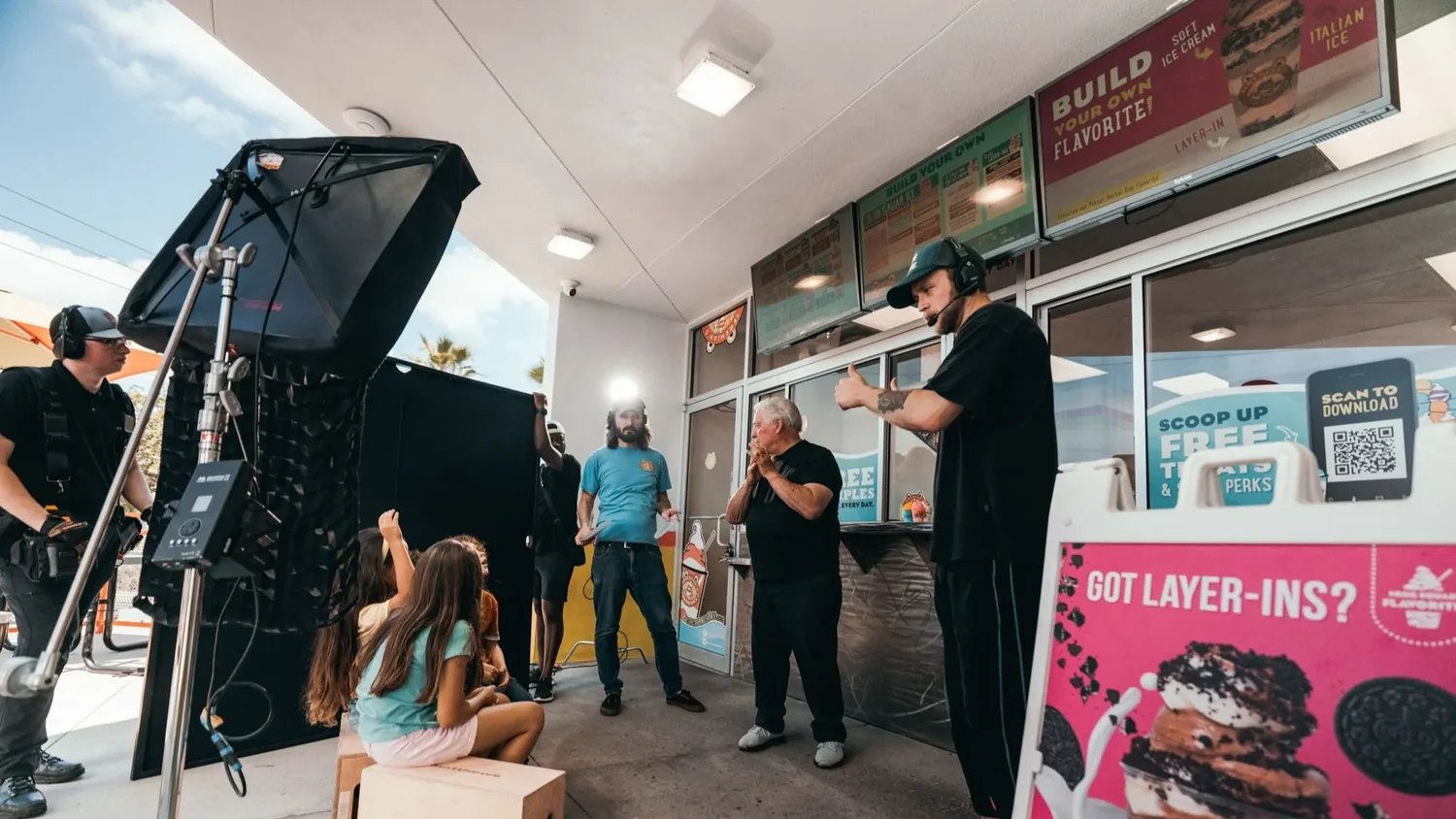
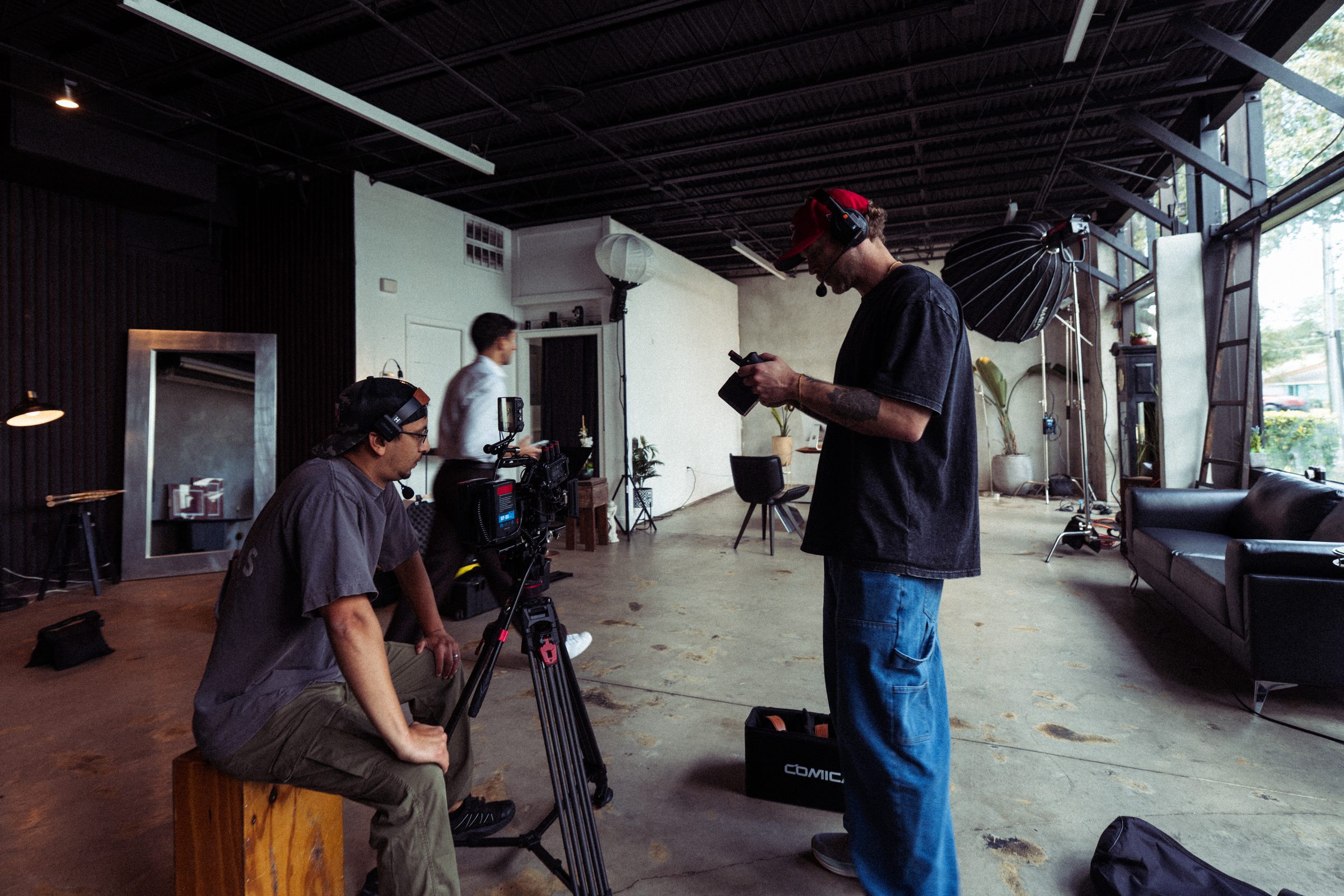
But that wasn't the part that kept me up. Digging into it, I realized my coverage sat under photography. Video was included, but the way I came to understand it, that coverage was built around weddings, events, and basic videography. Not the kind of commercial production my company actually does.
"Videography" and "video production" sound like the same thing. On an insurance policy, they may not be.
Now think about the only other way I would have found out: something goes wrong on set, I file a claim, and I learn the gap exists when I could owe thousands, or hundreds of thousands, of dollars.
Thank God I found out the way I did.
The mistake was mine
Nobody tricked me. Someone recommended the company years ago, I signed up, and that was that.
I never asked to speak with an agent. I never asked whether the plan still fit. I never asked for a second opinion. Meanwhile, my clients got bigger, my sets got bigger, and the risk got bigger, while the policy stayed exactly where I left it.
Does it sting to think about the $5,000 or so I spent on that plan? Yes. I can call that money wasted, or I can call it tuition. Compared to what one bad claim could have cost me, it was cheap tuition.
But the lesson only pays off if I act on it. And I had to act fast.
Kyle writes one of these every week. Want the next one in your inbox?
Then came the scramble
My annual plan was about to come up for renewal, and the reality series still needed its own short-term coverage. So I suddenly needed two new plans, in the middle of a packed production schedule.
I was learning about insurance plans for things I’d never heard of and the applications were far more detailed than I expected. I could not have gotten through them without my operations manager.
We applied with several providers, and two things became clear. Price and coverage varied a lot from one company to the next, so one quote tells you very little. And some reps gave generic answers to very specific questions, which brings me to the first thing I'd tell anyone reading this.
Talk to a specialist, not whoever answers the phone
Most of the time, the first person you reach can only give you basic information. That's not who you want deciding whether your business is protected.
Ask for a licensed agent who understands production work, and book a dedicated session with them. Then show up with real questions.
The questions to ask
I'm not an insurance expert, and this isn't advice on what to buy. It's where I'd start the conversation:
- How is my business classified on this policy, and does that include the video production work I actually do?
- What happens if we damage property on a set or at a client's location?
- What happens if someone gets injured during a shoot?
- How does my coverage change at a rented studio versus a client's location?
- What's the difference between how you cover rented equipment and my own?
- Are the crew and contractors I hire covered? Do I need workers' compensation?
- Do I need E&O or cyber coverage for the kind of work I do?
- Can this plan extend to a specific project, or will I need a short-term policy?
- Can you confirm those answers in writing?
Your list should look different from mine, because your business does. That's where AI helps.
Use AI to prepare for the call
I'm a creative. Insurance isn't my wheelhouse, and I don't need it to be. But AI can get you ready to ask much better questions in a few minutes. Give it the real details of your business:
"I run a [type of creative business]. My main clients are [who you serve]. I provide [your services], usually at [studios, client locations, outdoors]. The risks I'm most concerned about are [risks and hazards]. Write the questions I should ask a licensed insurance agent to make sure I'm properly covered, and explain why each one matters."
Bring that list to the specialist. Let AI prepare you for the conversation, not replace it.
Do this before your next renewal
Pull up your policy today. Find how your business is classified. If it doesn't describe what you actually do, or you can't tell, book a call with a specialist before you renew.
I spent years paying for the feeling of being covered, and I only learned the difference by accident. Find out which one you have before a claim decides for you.
If you're building your creative business and want help thinking through the systems behind it, book a free strategy call here.