Every Big Job Starts With a $100 Gig: What My First Reality Series Taught Me
 Kyle Loftus··5 min read
Do I wish I'd gotten this job two years into my career? Absolutely.
Would I have dropped the ball, failed miserably, and hurt my name in the process? Almost certainly.
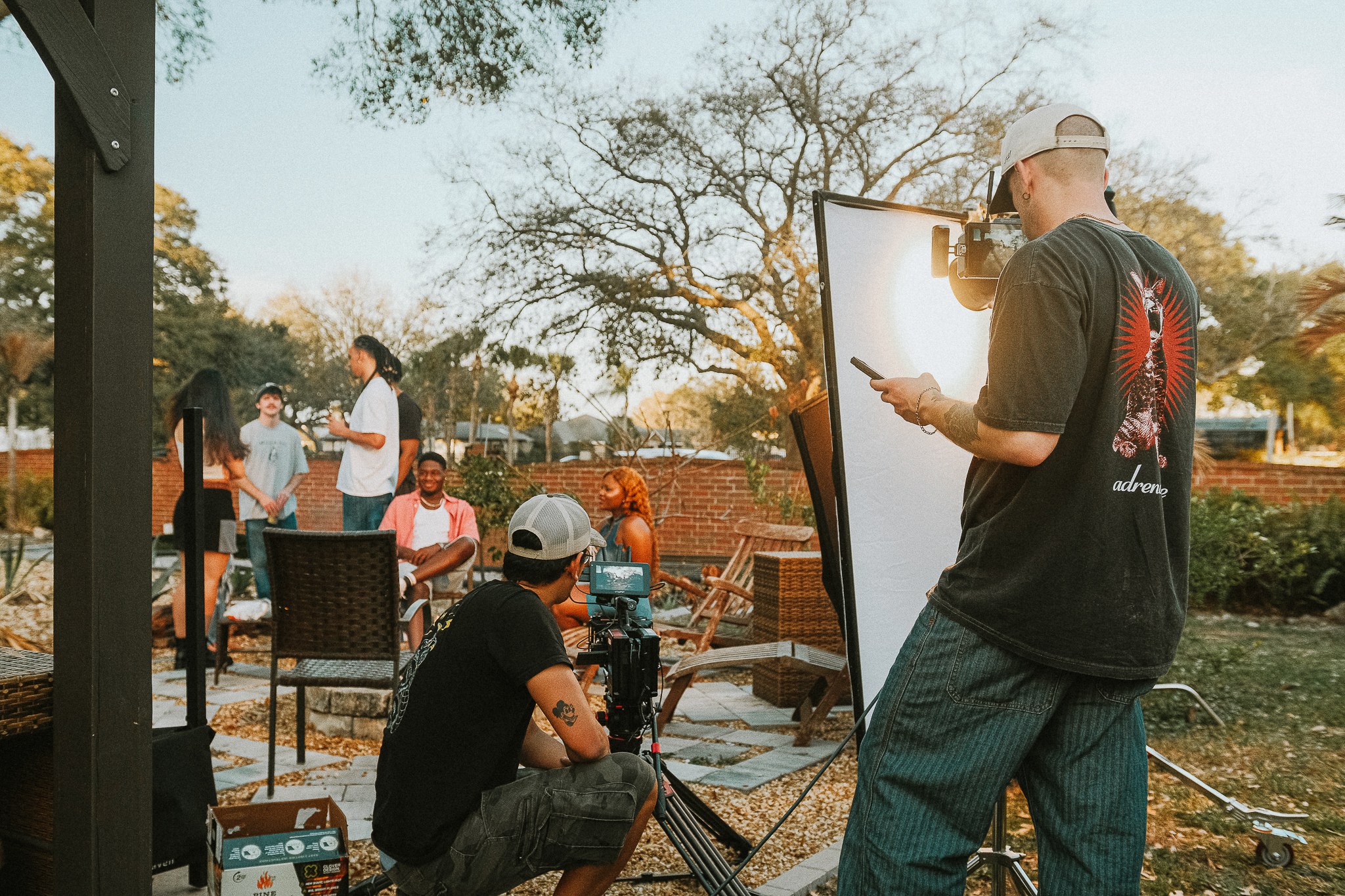
Last week I directed and shot my first reality series. I had never shot reality TV before, let alone produced it. And walking in, I was nervous.
The job I had no business being calm about
The show is The Ultimate Coder, a competition series, where developers who build with AI go up against veterans who code the traditional way.
Four days. Thirteen to sixteen hours on set every day. Six contestants and up to four judges, one of them an AI robot. Ten on-camera subjects in one house, more than I've ever covered on a single production. A multicam setup, a crew to lead, a schedule that couldn't slip, and a client counting on me to take the whole show up a level.
I'm not going to pretend I felt fearless. But it was the good kind of nerves. A new challenge, and a chance to prove something to myself: bro, you're capable.
Here's what I've figured out about that feeling. Confidence on a job like this doesn't arrive on the day. You've either been building it for years, or you haven't.
Reality TV is documentary with a scoreboard
I assumed this would feel like a foreign language. Once we started rolling, I recognized it.
Documentary work taught me how to follow people without getting in the way. How to read a room. How to stay ready for a moment nobody can call in advance. How to sit across from someone and ask one more question, until the answer moves from what happened to how it felt. That's where the story is, on any set.
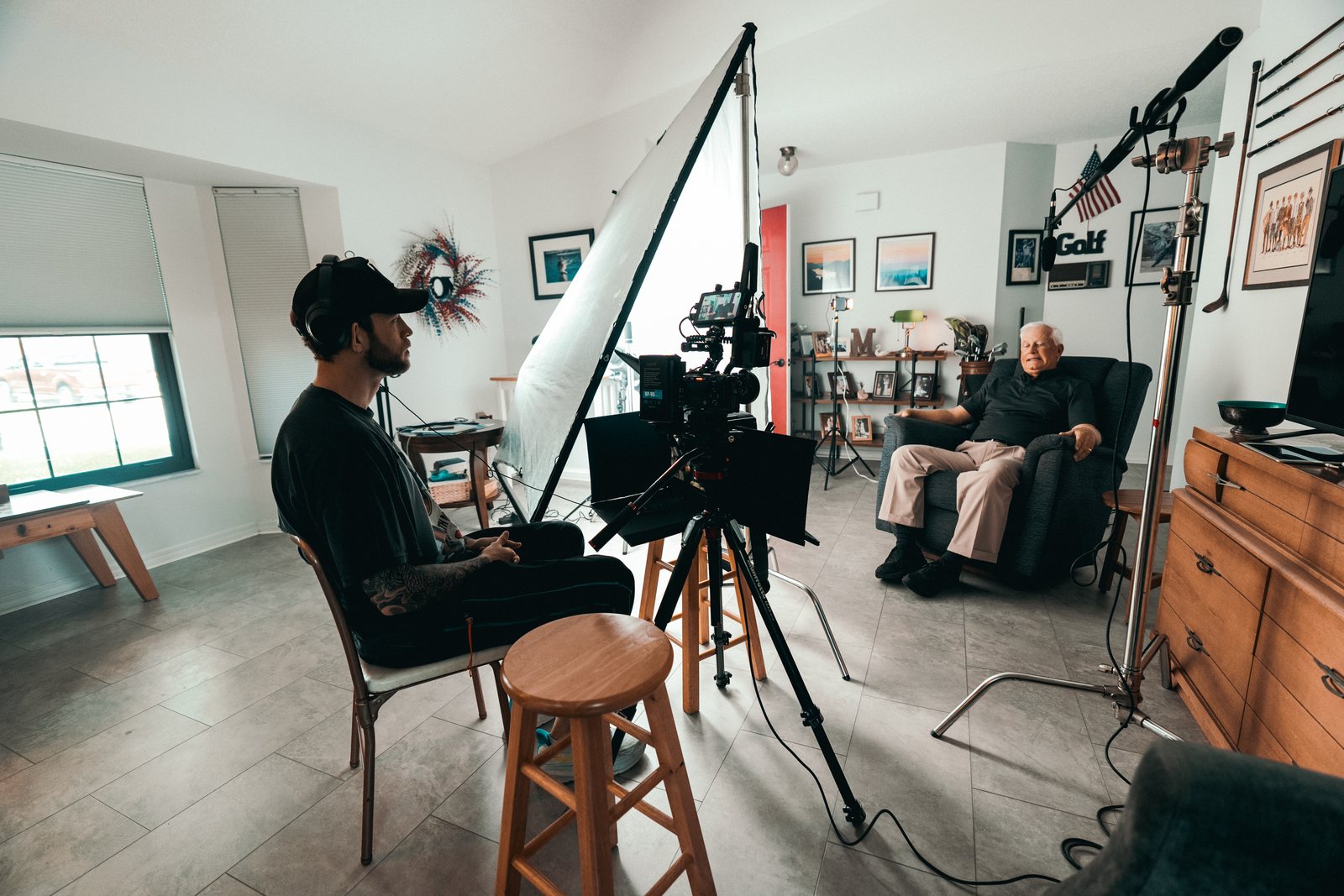
Strip away the challenges and the eliminations, and I was doing what I've done for years. Nobody saw those reps while I was putting them in. They just showed up last week, all at once.
But reps alone wouldn't have saved me.
You can't cover ten people alone
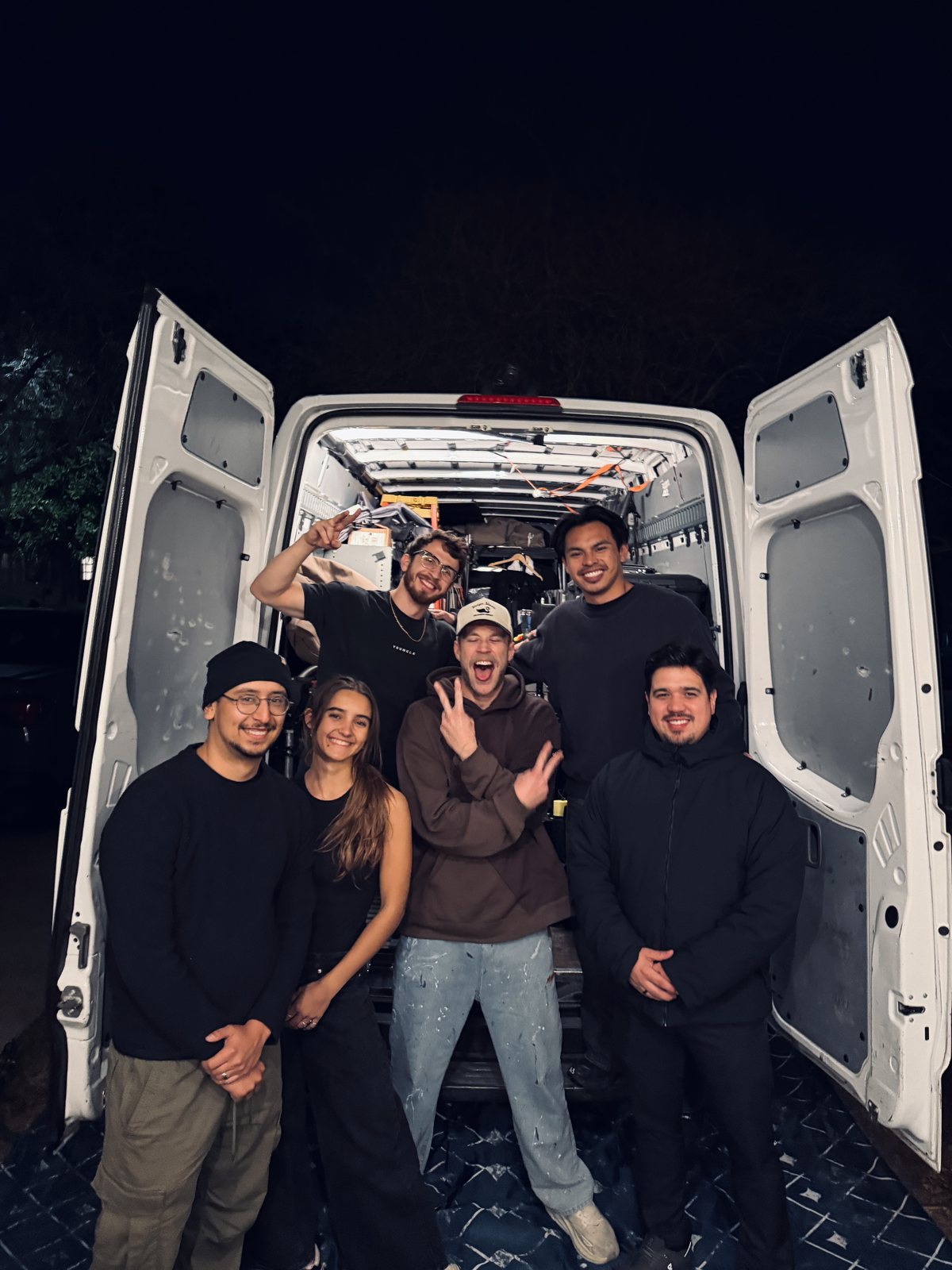
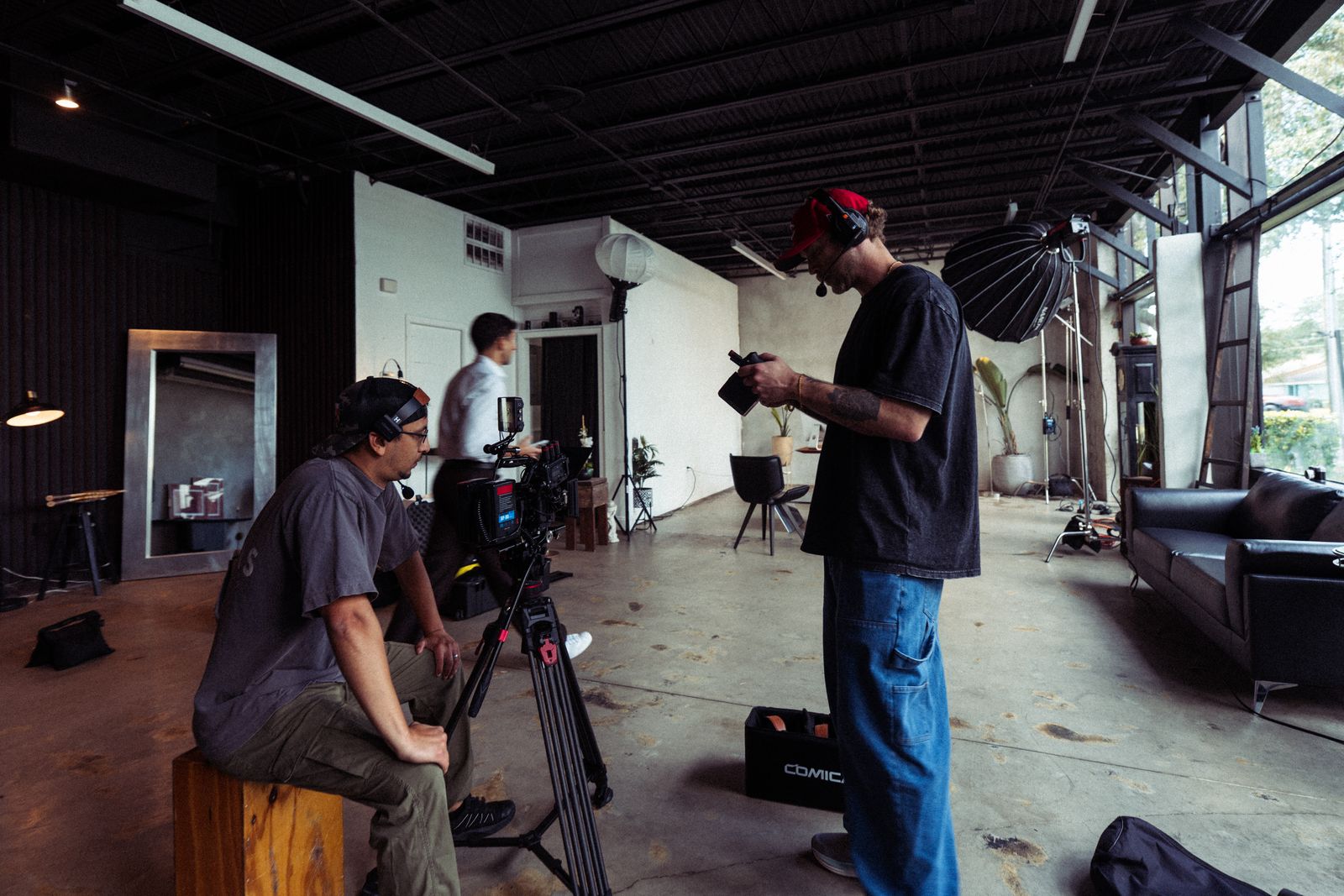
I had an incredible crew. Skilled, confident guys, two of whom run their own production companies. They didn't just make things look good. They thought about the edit while they were rolling: which cross angle we needed, what pickups the cut would want, how to stay on the right side of the 180 line while still showing everyone in the space.
That's what years of surrounding yourself with talented, hardworking, driven people buys you. Find those people early. Treat them well. Pay them right. Your ceiling is largely the ceiling of the people standing next to you.
A great crew still needs someone who knows the plan cold. That part was on me.
Kyle writes one of these every week. Want the next one in your inbox?
The meetings nobody films
From September until the shoot, I was on recurring calls with the client, eight of them before we rolled. Crew, cast, insurance, locations, where every interview and briefing would take place.
It isn't sexy. It's also why I walked onto set knowing this project like the back of my hand. When you've answered the questions weeks early, you have room on the day to be creative. Communication is the most underrated skill in this business. Going above and beyond for a client usually looks like a calendar invite.
And then the show started, and something unexpected happened. I had a blast.
Summer camp, with call sheets
Fifteen hours a day with the same group of people feels like being a kid at summer camp again. Was I tired? Of course. Was I annoyed? Not once. I was making something with substance.
By the end I was invested in the coding itself. And honestly, with how much I lean on AI to run my business these days, I may be a bit of a vibe coder myself.
Then came the part I'll hold onto. The staff, the judges, and the contestants kept telling us how professional we were, and how much fun. The client told me how easy it felt this time, and how much she learned working with us. I'm really proud of my team, and really proud of myself. I don't say that enough.
Trust the timing
First and foremost, none of this happens without God and His plan for me and for the people I get to work with. I believe that completely.
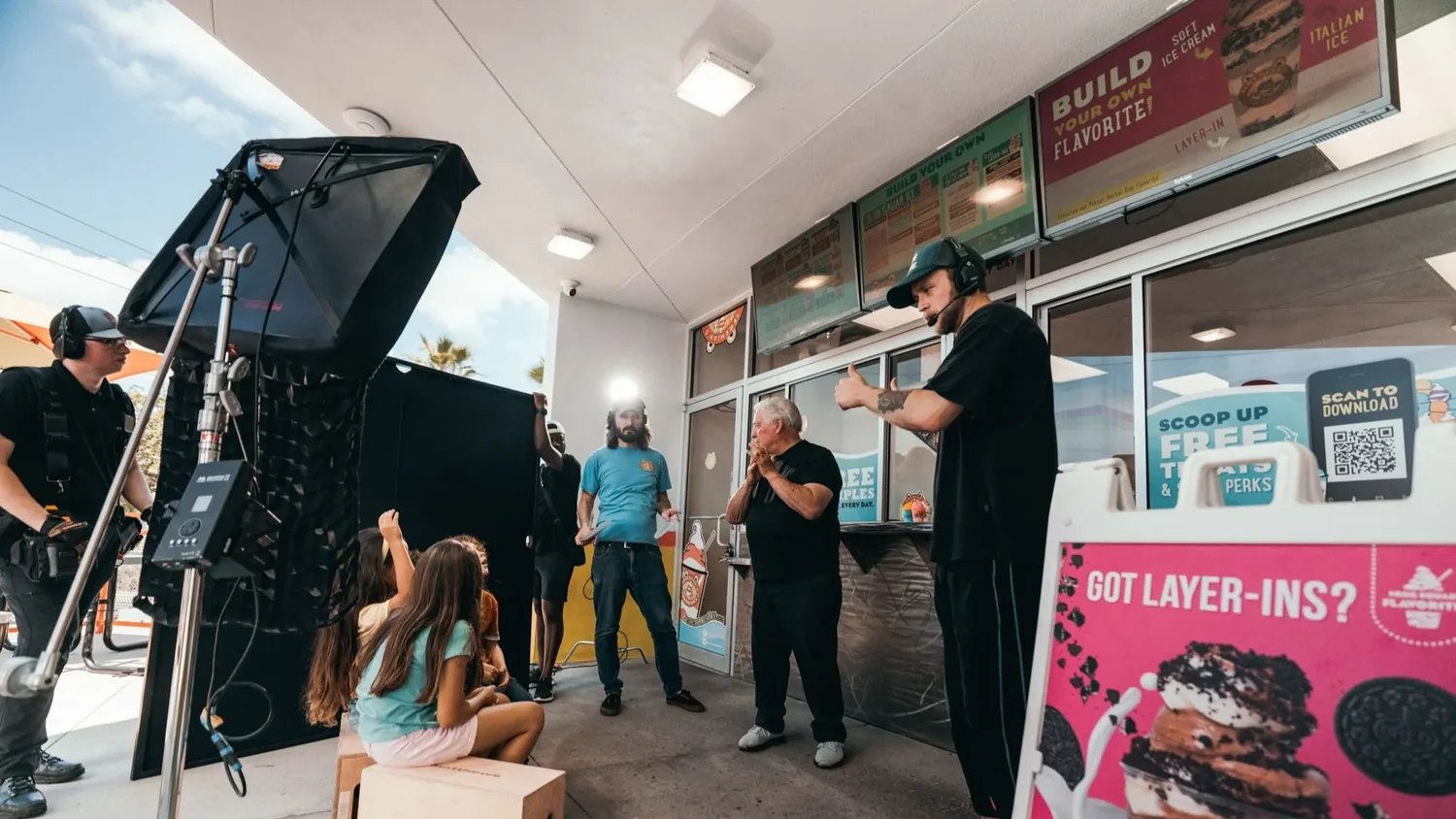
And He had me wait. This job started with free gigs. It started with $100 gigs. It started with years of shoots that nobody will ever see, and plenty of mistakes I got to make while the stakes were small enough to survive them.
If I'd gotten this call too early, it would have been the worst thing that happened to my career. So if you're looking at someone else's credits and wondering when it's your turn, here's what I'd tell you:
- Take the small jobs seriously. That's where you get to fail cheaply.
- Shoot documentary if you can. Nothing teaches you to think on your feet faster.
- Build your crew before you need one. Surround yourself with people better than you.
- Over-communicate. Weekly calls will make you look like a veteran.
- Learn the edit. Shoot for the cut, not for the shot.
- Say yes to the thing that scares you, once you've done the reps to back it up.
The process is the point. Enjoy it. Trust your instincts, put in the reps, and be patient with your own timeline.
You're going to get there.
If you're building your career and want help figuring out your next step, book a strategy call with me here.