Hiring a Camera Crew vs. Hiring a Production Partner: What Four Days on a Reality Series Proved
 Kyle Loftus··5 min read
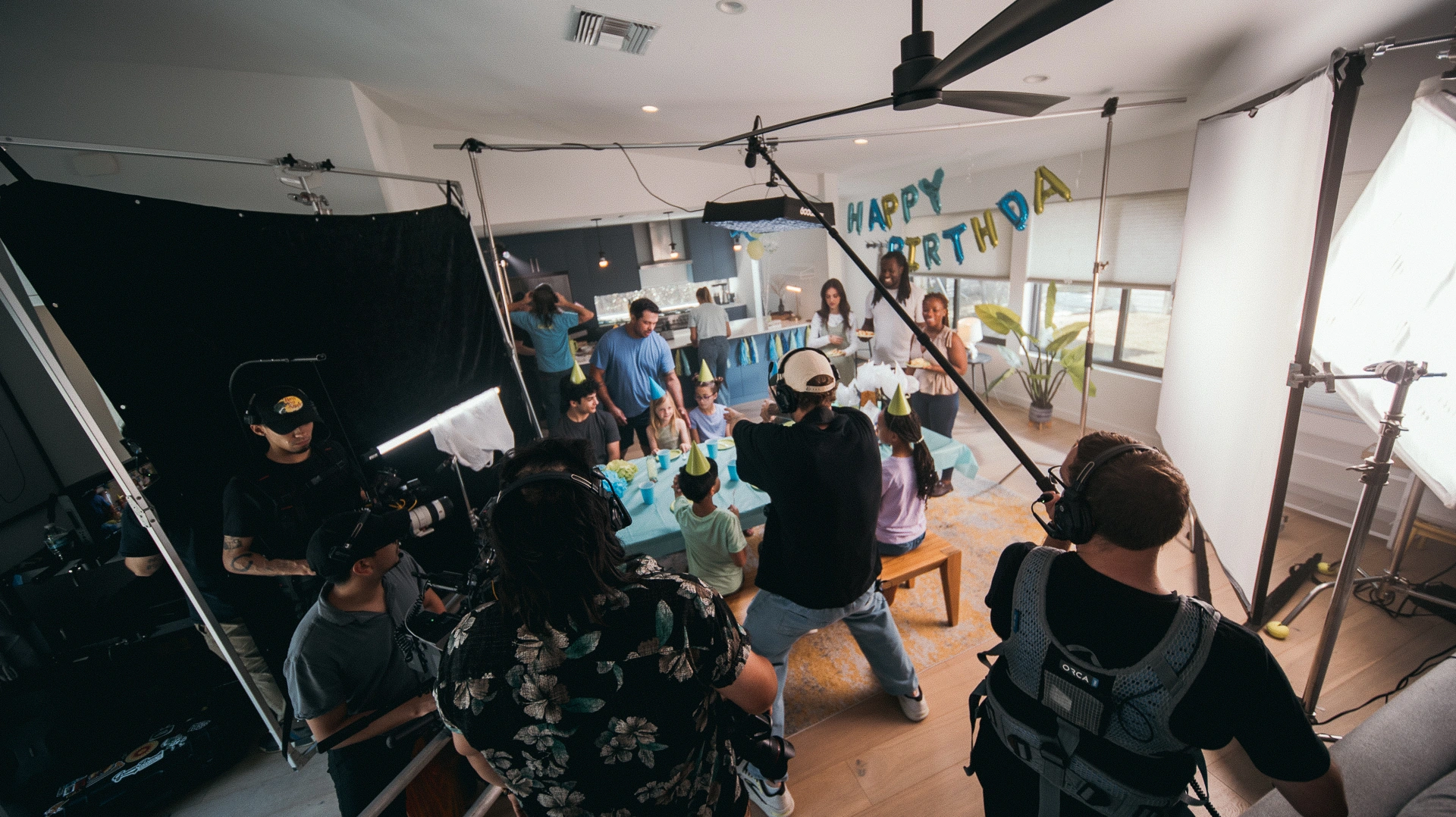
The best compliment I got last week had nothing to do with the footage we captured.
We had just wrapped four days on a reality competition series, and the person responsible for the entire show on the client side told me how easy it felt. Less stress. Less anxiety. She could trust that production was handled, and she could put her energy into the show.
If you're a brand considering a series, a documentary, or anything bigger than a single spot, that feeling should be the thing you're buying. Here's how it gets built.
I was never going to say yes to reality TV
When I think of reality TV, I think of people being fake and cruel for the camera. It's painful to watch, and somehow hard to look away from. I've never wanted to make that. If this had been that kind of show, I would have passed. We don't take every project, and our values decide a lot of it.
Then a software engineering company, brought us The Ultimate Coder: a competition series pitting developers who build fast with AI against veterans who have written code the traditional way for years.
A reality show about coding. Specific, strange, and built for a community that cares deeply about it. Behind it was a CEO for whom this show is a true passion.
That's what I look for. Someone who cares that much, with an idea no one else is making. But caring about an idea and knowing how far it can go are two separate things.
The first conversation is about ambition
The show already had a season online, and our content partner was ready to take it further. So before quoting anything, I spent my time learning what they wanted the show to become.
Then I told them what I saw: more variety in focal lengths, multiple cameras rolling at once, stronger audio, proper color grading, and episodes shaped around tension and story. And I asked the question I ask every partner: how far do you want this to go? How big and special do you want it to look and feel?
A good production partner shows you what's possible and what it costs, then lets you decide. We'll also tell you plainly what the minimum is to execute a project well, because a budget that can't deliver helps no one.
I don't think of the people I work with as clients. They're business partners. Yes, they're paying me. But if I help you win, I win, and my goal is always the next project together.
Once the ambition is clear, the real work begins.
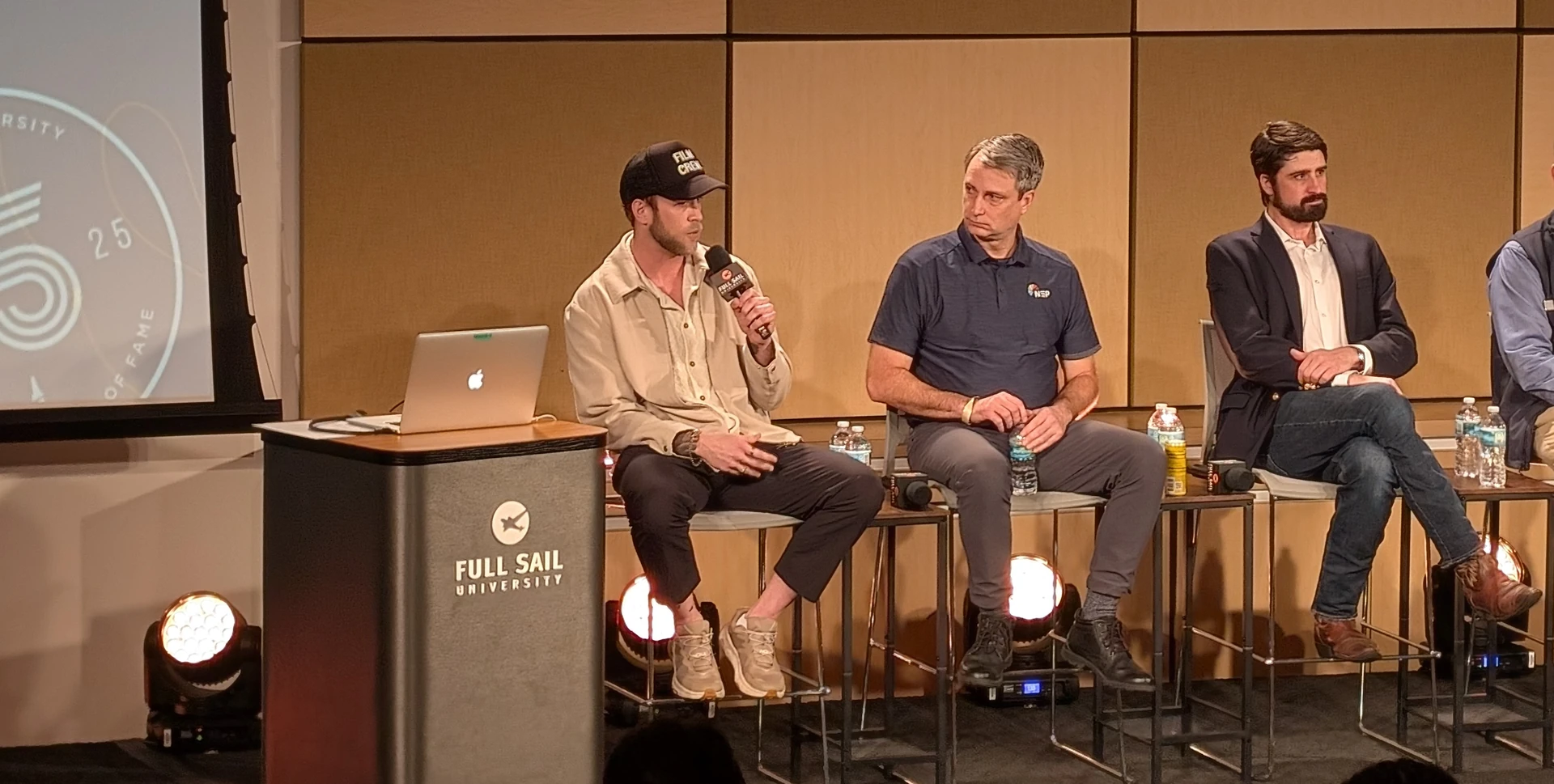
Eight calls before the first camera rolled
From September until the shoot, we held recurring pre-production calls with the Director of Marketing, who was co-producing the show. Eight of them. Crew, cast, insurance, location. Where each briefing would happen, where presentations would happen, where every contestant would sit for interviews so the story could build across episodes.
We found problems early, while they were cheap. Every contestant's coding had to be captured on their own computer, so each of them ran a test recording on their own machine before anyone flew in. By the time we loaded in, there was very little left to discover on set.
Those calls also meant I knew this show like the back of my hand. Which mattered, because the show was about to get big.
Kyle writes one of these every week. Want the next one in your inbox?
What it means to show up and produce
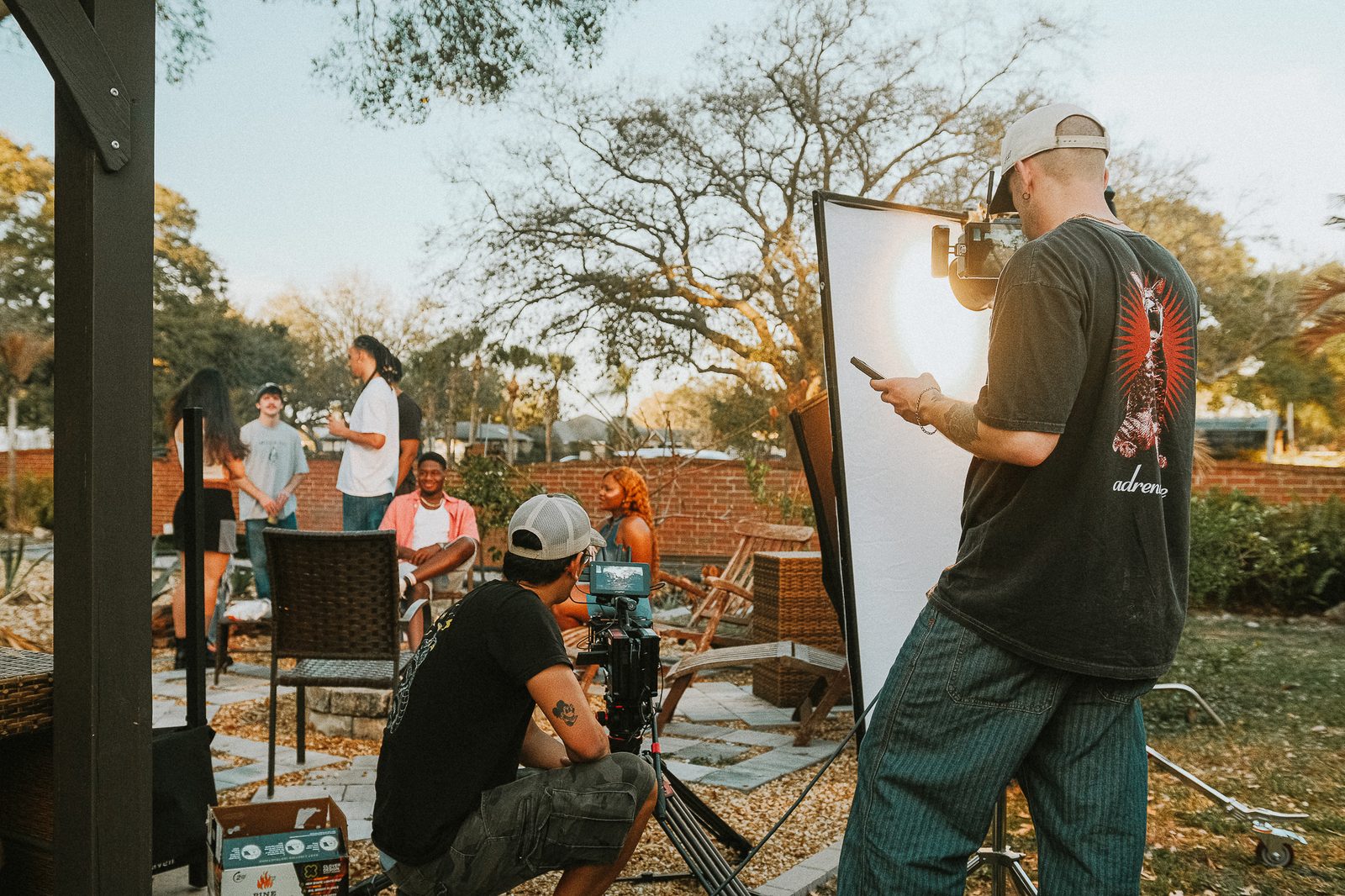
Four days. Thirteen to sixteen hours on set each day. Six contestants and up to four judges, one of them an AI robot. Ten on-camera subjects to cover at once.
Here's what we brought:
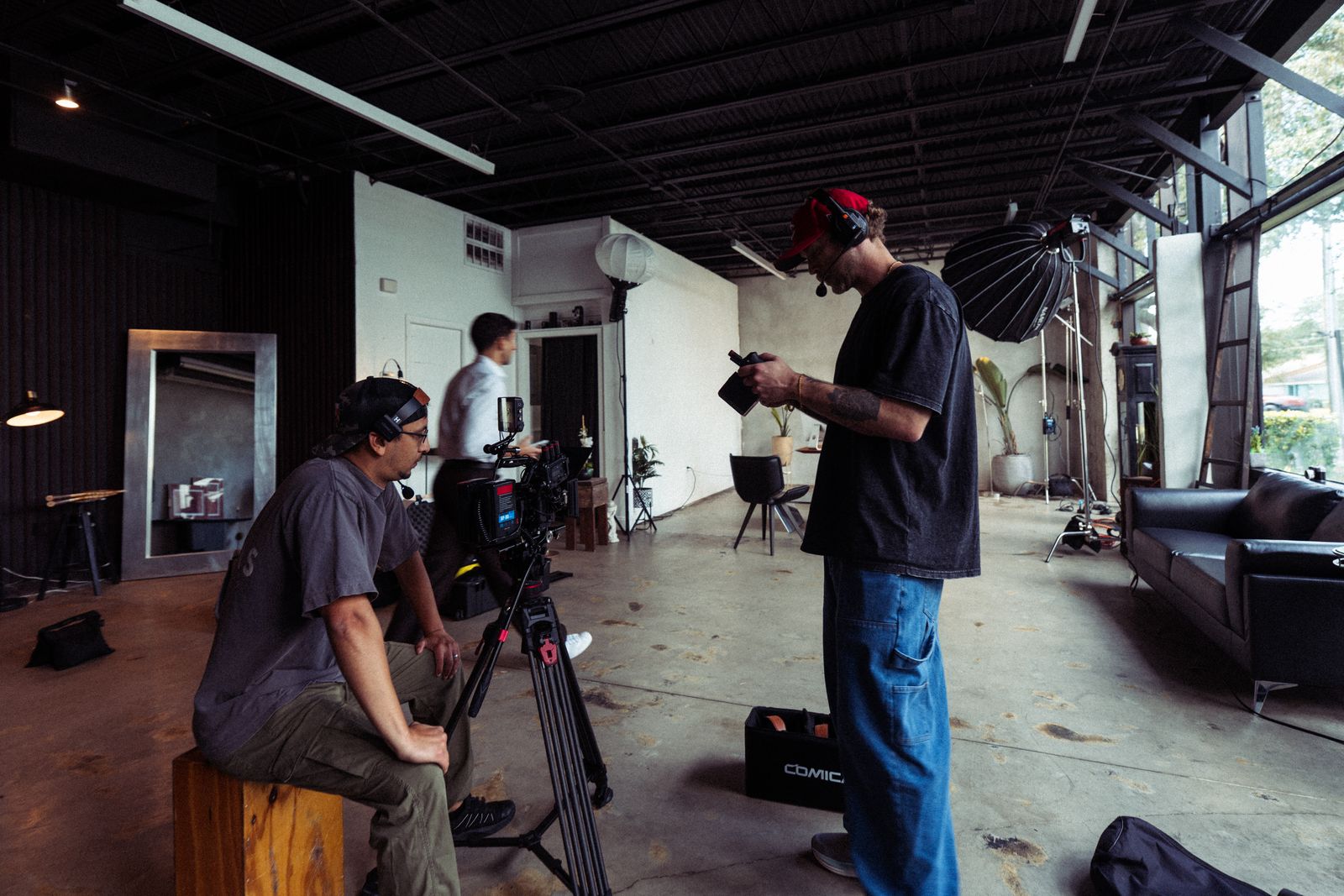
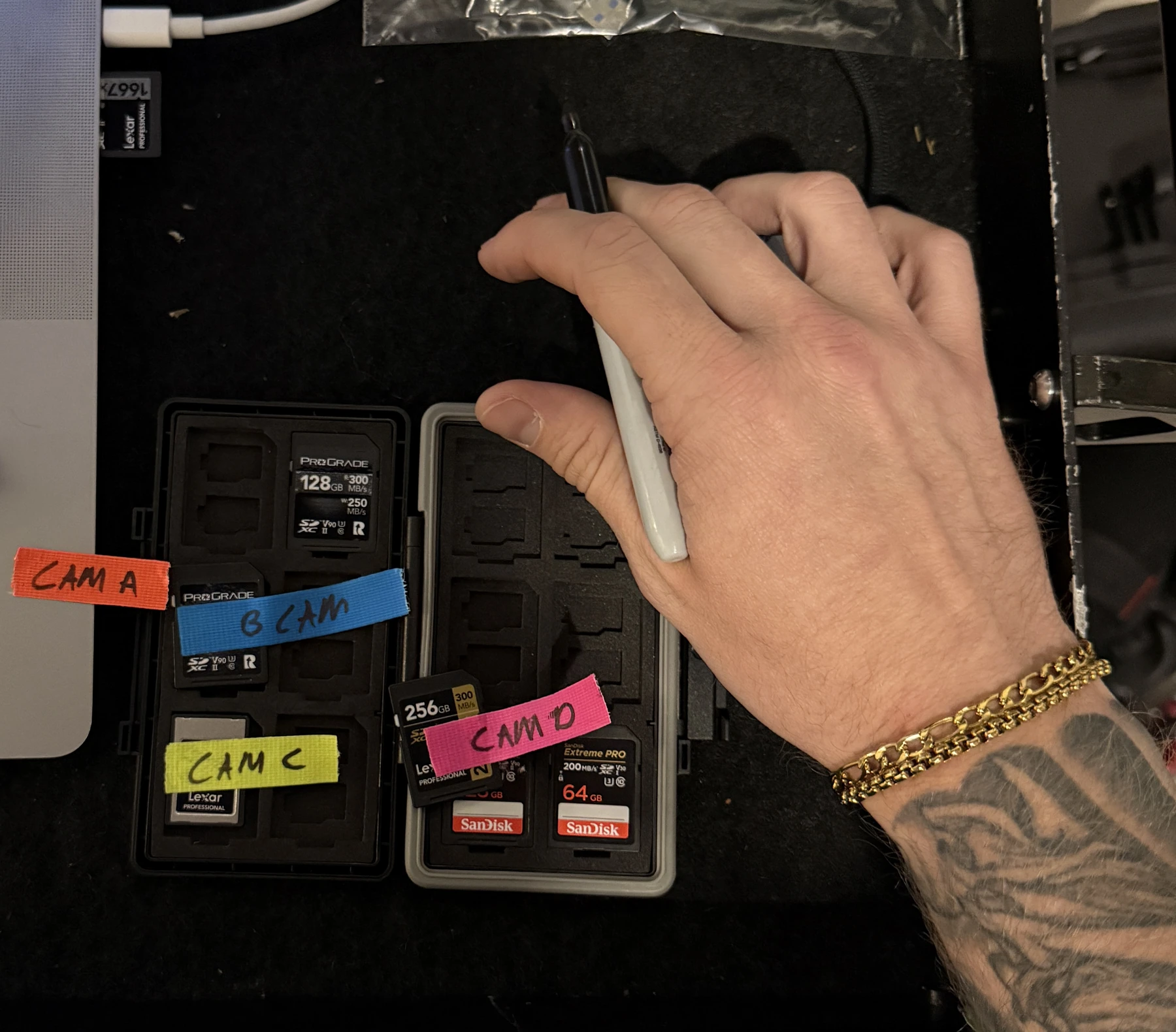
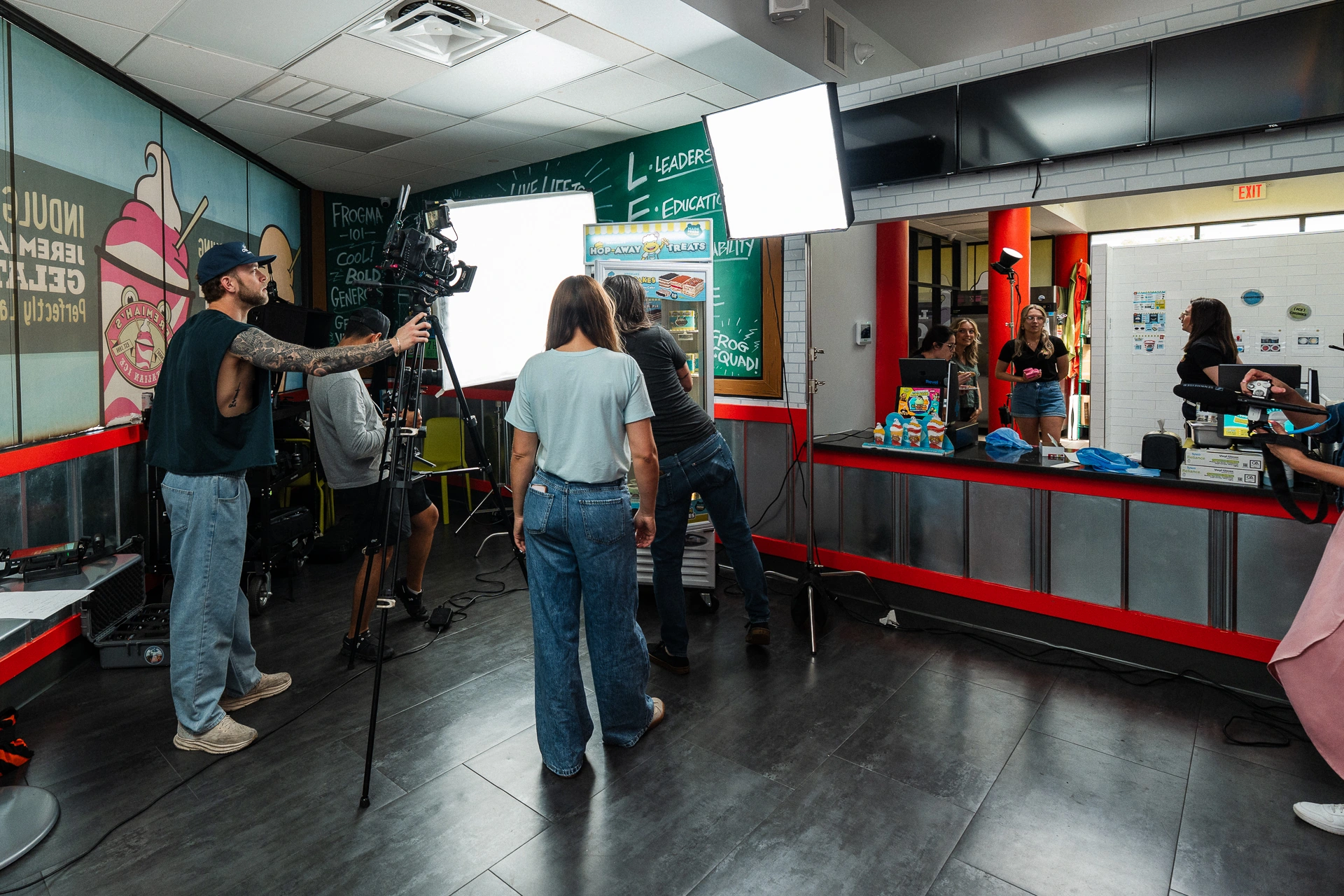
- Three camera operators and a 4-camera setup, with me directing, dping, and producing the show
- A dedicated sound mixer and audio assistant
- Video village, so decisions could be made in real time
- A DIT station, with footage backed up every day
- Professional comms across the crew
That last one sounds small. Comms were new for the team on this show, and they changed the day. On a multicam production, comms let a director move a camera or flag a moment without stepping into the scene. Without them, you're interrupting the very thing you came to capture.
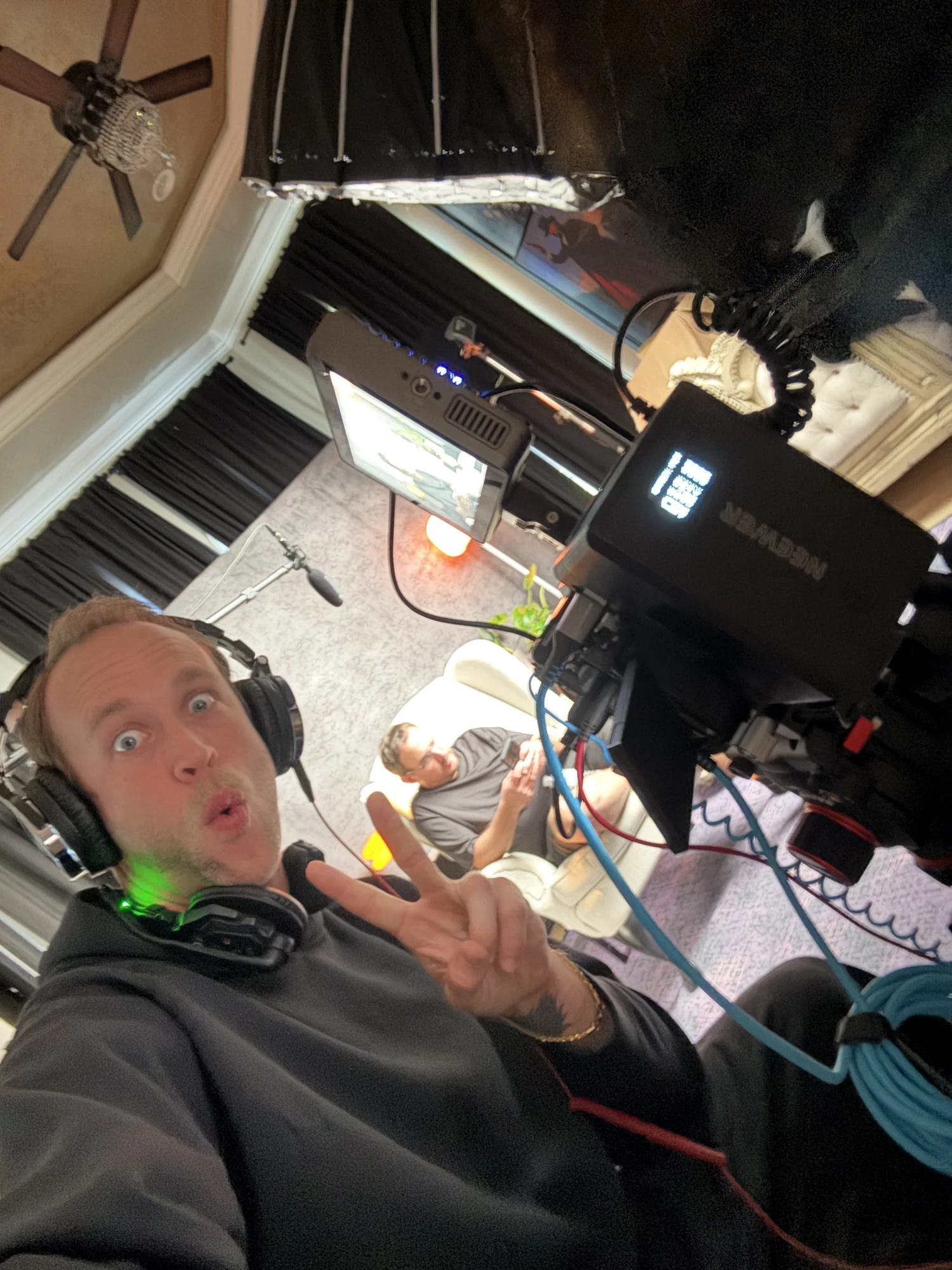
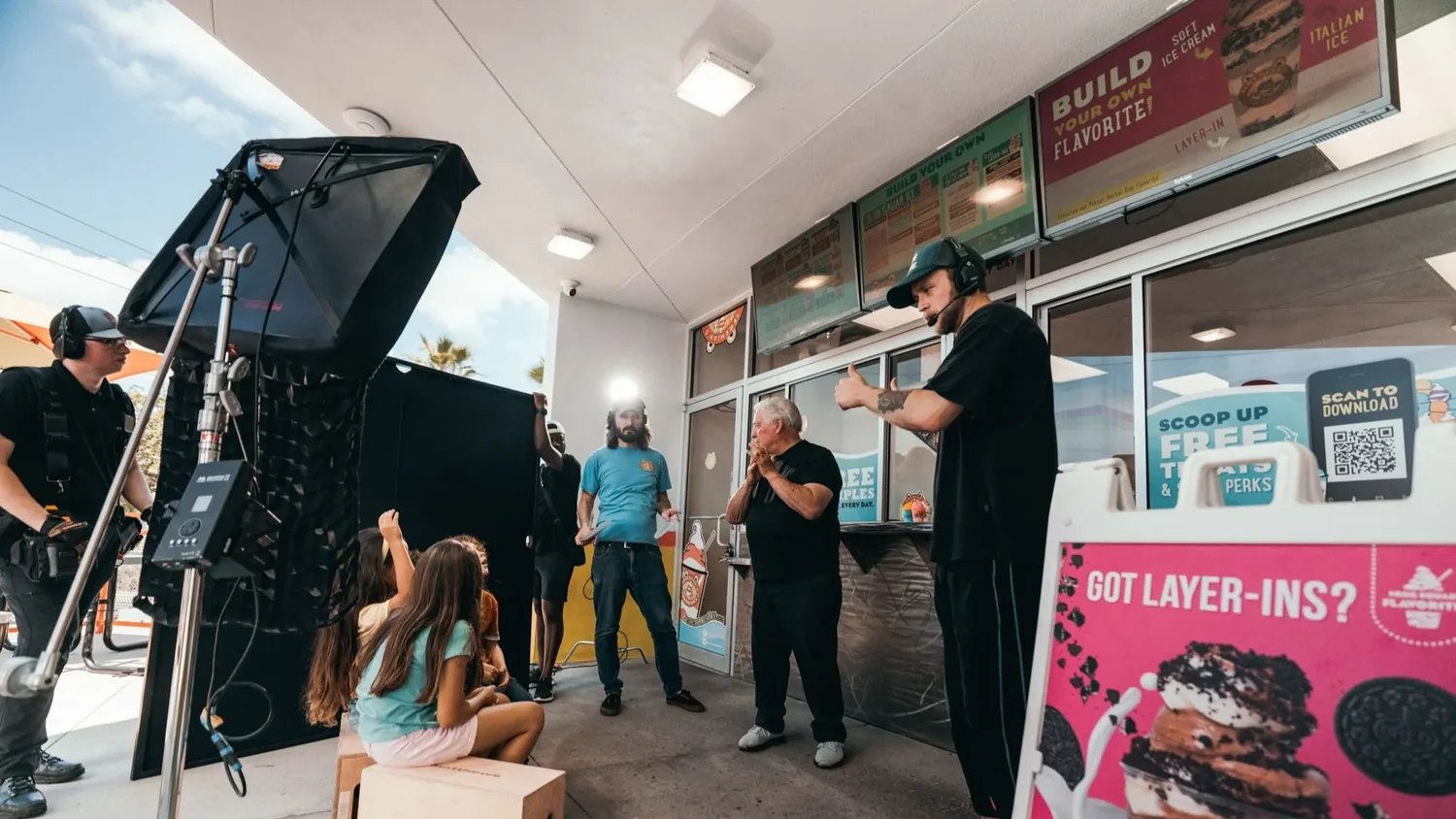
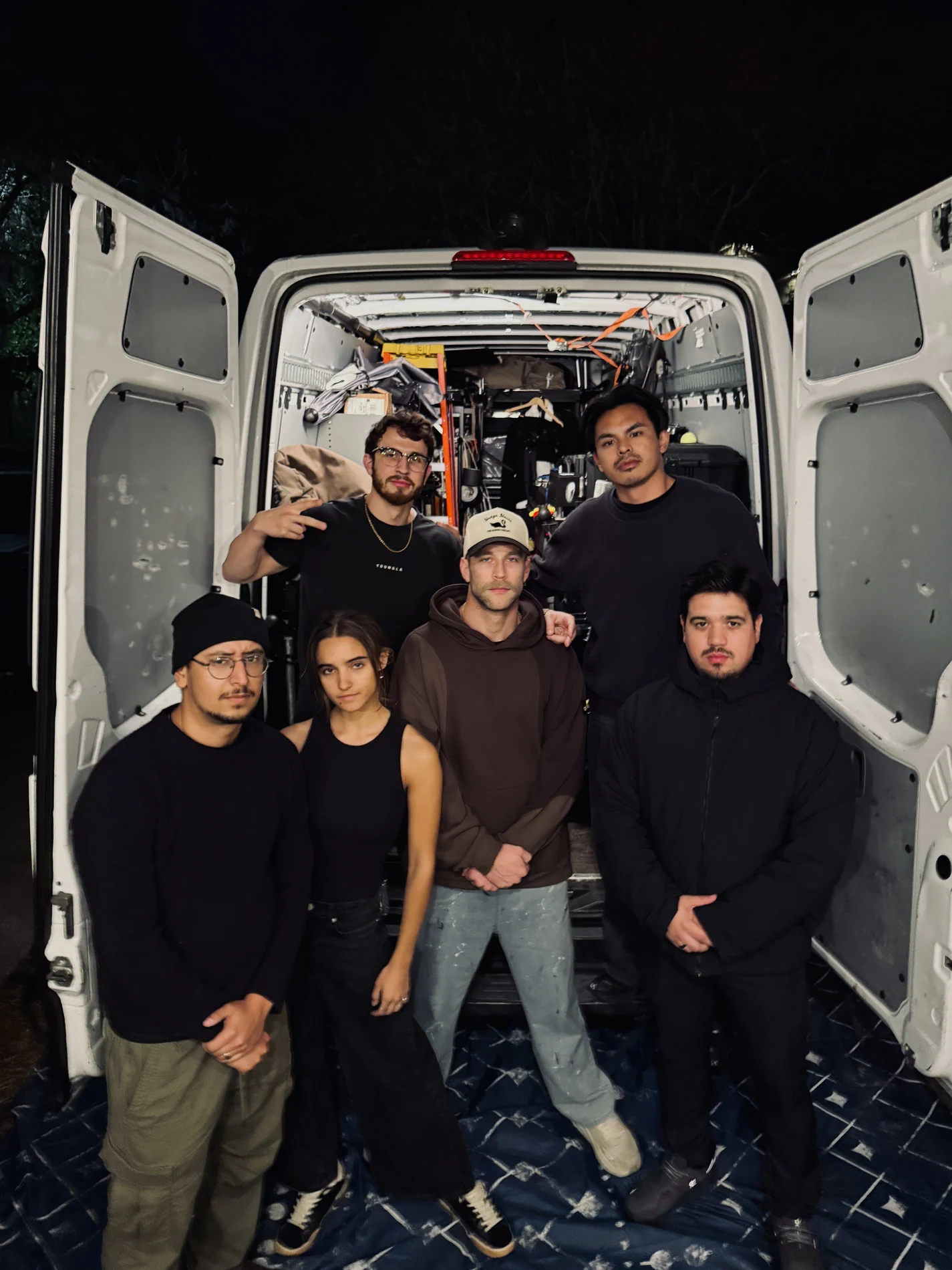
This is the line between a camera crew and a production partner. A crew arrives and shoots what's in front of it. A partner runs the show. My operators think like editors: where the cross angle is, what pickup the cut will need, how to stay on the right side of the line while still covering everyone in the room. Two of them run their own production companies. They carried the set like owners.
All of that gets you clean coverage. It doesn't get you a story.
The story lives in the follow-up question
A reality series is built in the interviews. Anyone can ask what happened. The work is in asking how it felt, then staying quiet long enough for the honest answer to arrive.
I brought more than a decade of experience into those rooms, and pushed gently: one more question, one level deeper. That's where the emotion is, and emotion is what makes someone watch the next episode.
It also helps when the people across from the camera like you.
Fun is a deliverable
Fifteen hours a day in one house is a lot like summer camp with the right people and attitude. You form a bond fast. By the final day, the staff, the judges, and the contestants were all saying the same thing: professional, easy to work with, fun, and were going to miss this.
I'm proudest of that. People give better performances when they feel safe and energized, and clients make better decisions when they aren't anxious.
Before you hire your next production team, ask
- Will they tell you what your project could be, or just quote what you asked for?
- Who is running the set, and who is carrying the logistics you don't want to carry?
- How often will you talk before the shoot, and what gets solved in those conversations?
- Do they understand the edit while they're shooting?
- Would you want to spend fifteen hours in a room with them?
You should be able to step back as much or as little as you want, and still know the project is in good hands.
We're a bespoke, people-first studio, and we like working with people we know, like, and trust. If you're planning a series, a documentary, or a story your competitors wouldn't dare to tell, book a discovery call here.